Ukraine Strikes Yaroslavl Refinery, Cuts 15M Tons Annual Russian Fuel Supply
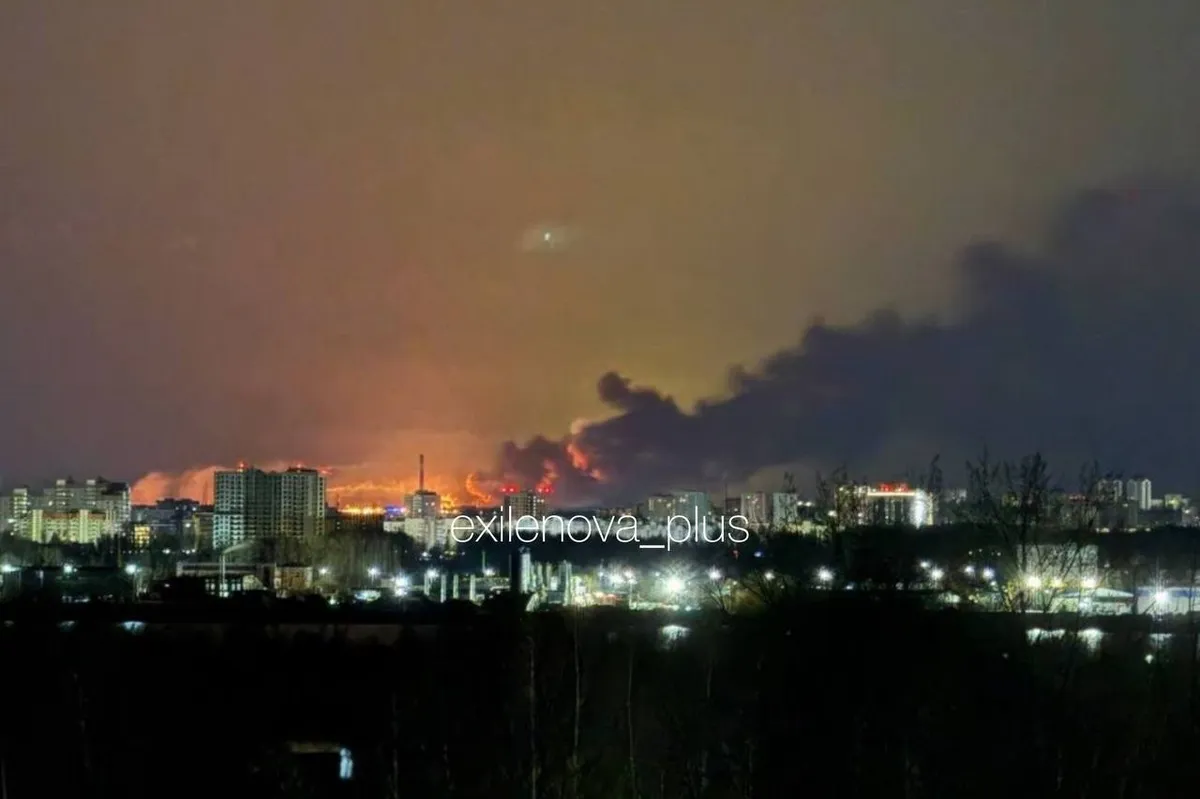
Ukraine's shift to refinery targeting directly compresses Russian military readiness by forcing fuel substitution and rationing at the operational level.
This intersects with the concurrent US blockade on Iranian oil: Russia cannot backfill refinery losses through black-market Iranian crude without running the gauntlet of three US carrier strike groups and authorized lethal force doctrine in the Arabian Sea and Hormuz.
The combined effect — Ukrainian strikes on production, US enforcement on imports — tightens the physical constraint on Russian fuel supply faster than Moscow can route around it diplomatically or militarily.
This is the first direct attack on Russian refinery capacity reported in the recent signal stream, and it lands amid three-carrier US presence in the Middle East and active US enforcement of Iran sanctions.
Ukraine is now targeting the fuel backbone of Russian logistics — not just forward ammunition or vehicles, but the production nodes that feed sustained operations. If Yaroslavl goes offline or degrades significantly, Russian military fuel rationing cascades within weeks: front-line sortie rates drop, vehicle movement slows, and rear-area resupply becomes a chokepoint.
The timing matters: this strike occurs while the US is simultaneously blockading Iranian oil globally and Israel is breaking ceasefire in Lebanon. Russia cannot easily replace 15M tons of annual refinery output through imports or rationing without visible degradation of combat capability.
What percentage of the refinery's capacity was actually destroyed or damaged? A strike that takes out 30% of output is operationally significant; one that damages 5% is a harassment raid.
Fault Lines
Strategic intelligence, synthesized daily — with a public track record. Every call graded against what actually happened.