Navy Clears StormBreaker for Super Hornet ops, expanding RTX's all-weather strike portfolio
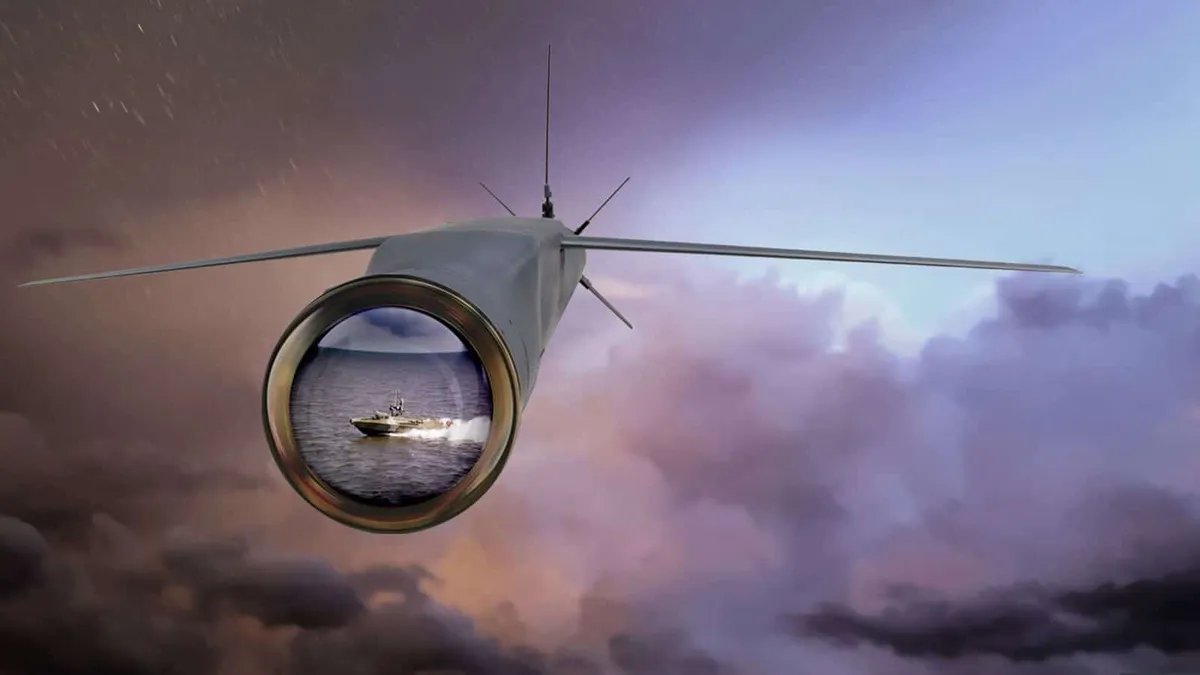
StormBreaker's all-weather maritime targeting capability directly addresses a Super Hornet employment constraint in Indo-Pacific contingencies, where monsoon seasons and tropical weather patterns limit precision strike availability — approval removes a doctrinal friction point but does not alter force structure or procurement timelines unless budget authority follows.
RTX's munitions franchise gains a differentiated product in the all-weather segment, improving competitive positioning in allied F/A-18 sustainment and upgrade packages, particularly for Pacific operators (Australia, Canada) facing similar weather constraints.
This approval unlocks a revenue stream for RTX and removes a capability gap in the Super Hornet fleet's all-weather strike envelope — a material advantage in contested Indo-Pacific operations where weather and maritime targets (moving surface combatants, merchant vessels) are persistent engagement scenarios.
However, the signal itself is a qualification milestone, not a procurement decision; actual fleet adoption depends on FY27+ budget authority and integration timelines across the ~400-aircraft Super Hornet inventory. The competitive implication is contained: this does not displace existing munitions (JDAM, SLAM-ER) but fills an uncontested niche.
Watch whether StormBreaker adoption accelerates Super Hornet sustainment contracts or becomes a driver in allied F/A-18 procurement discussions (Canada, Australia, Finland).
The article does not specify (1) Navy procurement intent or planned buy quantities, (2) integration timeline across the fleet, (3) unit cost or program value to RTX, or (4) whether allied air forces operating Super Hornets have signaled interest in StormBreaker integration.
Fault Lines
Strategic intelligence, synthesized daily — with a public track record. Every call graded against what actually happened.