Navy accelerates cyber defense automation to shift focus to resilience
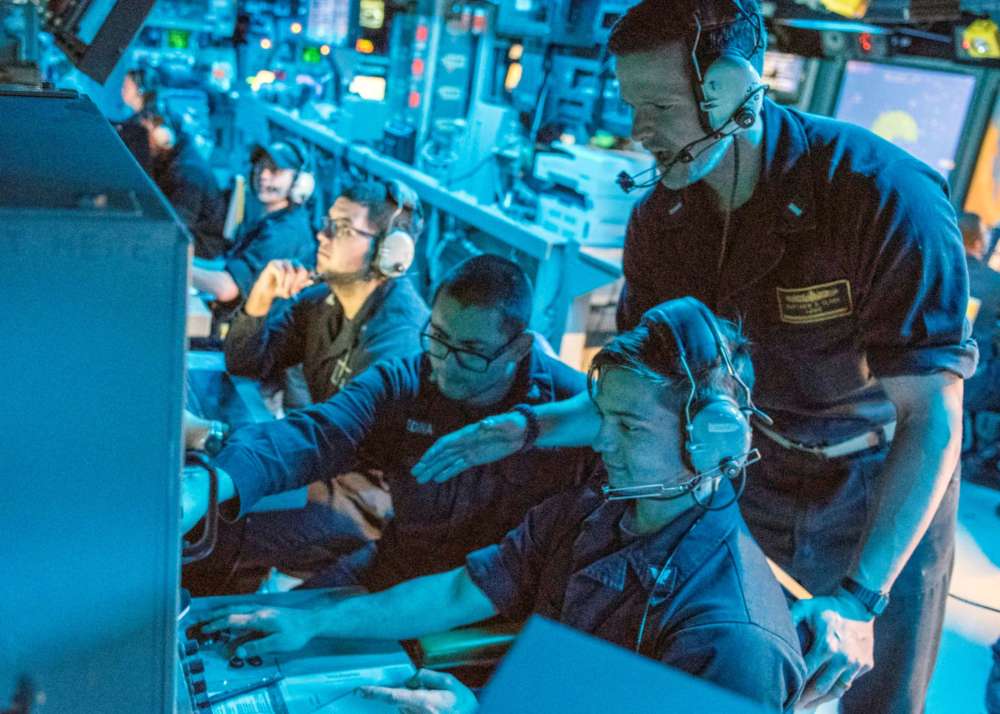
Primary connection is Power Projection: cyber defense automation is a readiness enabler—if it reduces manual overhead, NAVWAR can redirect scarce cyber personnel to offensive operations, threat hunting, and resilience architecture, improving Navy operational tempo.
Secondary connection to Market Forces: if NAVWAR's automation model proves viable at scale, it creates a procurement signal for cyber defense automation platforms across DoD, potentially benefiting vendors in the automated threat response and SOAR/XDR space. Limited direct geopolitical friction angle unless the automation is intended to harden defenses against a specific adversary capability.
This reflects a deliberate operational reallocation: NAVWAR is betting that automated threat detection and response can handle routine cyber hygiene, allowing human analysts and engineers to concentrate on architecture-level resilience—a shift that assumes the automation works reliably enough to reduce false positives and alert fatigue.
If successful, it models a staffing model other military cyber commands may adopt, reducing per-unit cyber labor costs. If automation gaps emerge under attack, the bet reverses: resilience work stalls and manual triage resurfaces as a bottleneck.
The outcome hinges on the maturity of the automation platform itself and whether NAVWAR has stress-tested it against adversary TTPs that specifically target automated defenses.
The article does not identify which automation vendor or platform NAVWAR is using, the scope of systems covered, the timeline for full deployment, or whether this is a pilot or enterprise-wide initiative.
Fault Lines
Strategic intelligence, synthesized daily — with a public track record. Every call graded against what actually happened.