Iran Accepts 2-Week Ceasefire Minutes Before Trump Deadline Expires
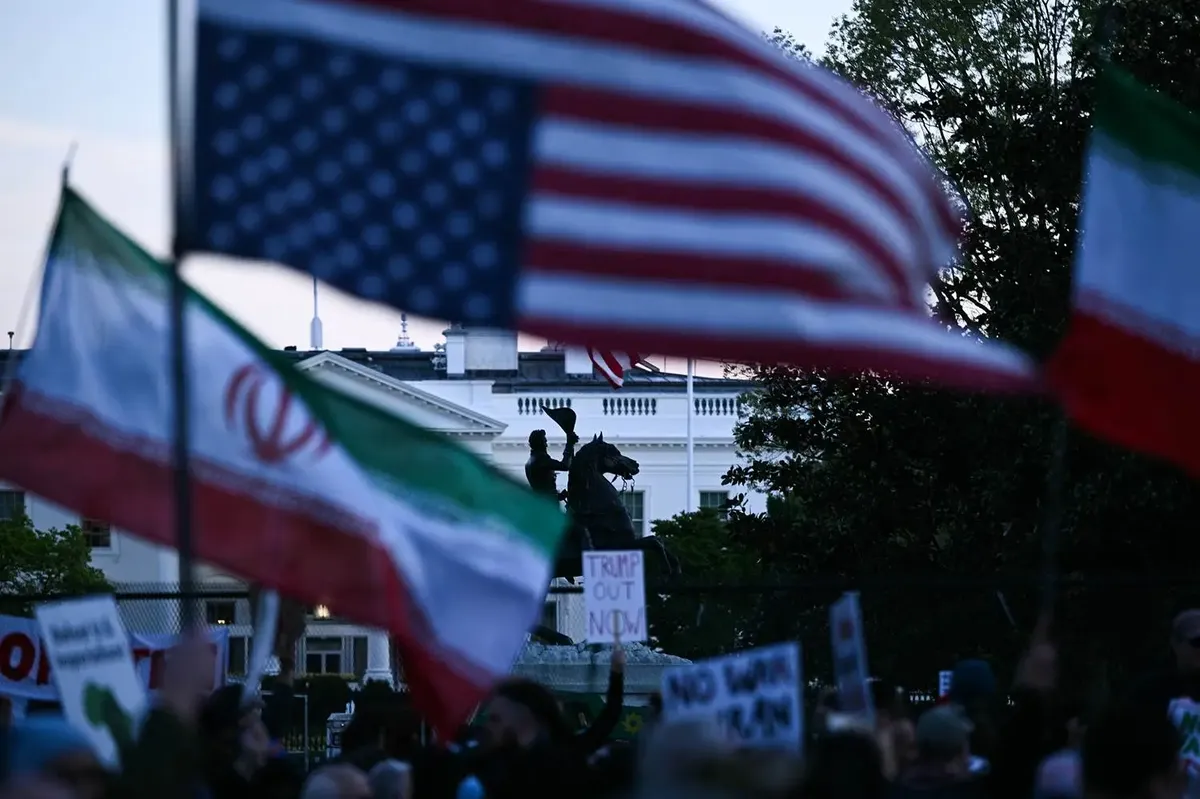
A ceasefire halts the immediate demand signal that drove procurement acceleration over the past 72 hours. If the 14-day window holds, defense contractors face inventory and labor-scheduling decisions: do they maintain surge production posture or stand down?
Conversely, if negotiations collapse by April 22, the resumption of strikes will occur against a backdrop of depleted munitions stocks (Israel and US have conducted six days of intensive operations) and degraded Iranian air defenses, shifting the asymmetry and potentially shortening any follow-on conflict cycle.
The ceasefire freezes an active state-on-state conflict at a critical juncture: US and Israeli strikes had moved from military targets to critical infrastructure (airports, petrochemical plants, IRGC command compounds); Iran had retaliated with ballistic missiles into Saudi Arabia; cyber attacks on US industrial control systems were underway; and Russia and China had blocked UN coordination on Hormuz shipping.
A 14-day pause allows diplomatic off-ramps but leaves unresolved: Trump's demand to reopen the Strait of Hormuz, Iran's nuclear program status, and whether either side will resume strikes if negotiations stall.
For defense contractors, the immediate question is whether this halts new procurement urgency or merely delays it — if the ceasefire collapses, demand for air defense systems, precision munitions, and damage assessment platforms will spike. For program managers: contracts tied to Middle East operations (airlift, logistics, sustainment) face 14-day demand uncertainty.
The article does not specify the terms of the ceasefire, whether the Hormuz demand is included, what triggers resumption of hostilities, or which parties brokered the agreement (Pakistan's April 7 mediation proposal is referenced in prior signals but not confirmed here as the mechanism).
Fault Lines
Strategic intelligence, synthesized daily — with a public track record. Every call graded against what actually happened.