Ukraine Seeks Turkish Naval Support to Counter Russian Black Sea Dominance
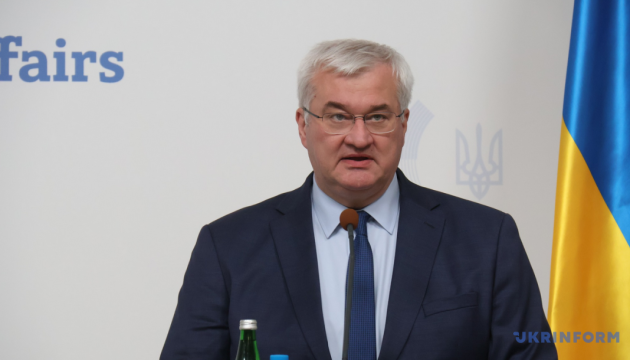
Ukraine's reliance on Turkish naval support directly affects the sustainability of Black Sea logistics and the viability of grain corridor operations—both critical to allied economic support and Ukrainian export revenue. If Turkey commits to active naval coordination with Ukraine, it amplifies the risk of direct NATO-Russia naval confrontation in a space where escalation control is weak.
Conversely, if Turkey declines or conditions support on political concessions, Ukraine loses a potential force multiplier and NATO's southern flank fractures on a key operational question.
This reflects Ukraine's recognition that it cannot independently match Russian naval capability and is seeking external support to sustain operations in contested waters.
Turkey controls the Bosphorus Strait under the Montreux Convention and has leverage over Black Sea access, but Turkish willingness to escalate support beyond current posture remains unclear.
The statement may signal either a shift in Ukraine's strategic thinking toward external dependencies or a public appeal to pressure Turkey into deeper involvement—both carry implications for NATO cohesion and the trajectory of the conflict.
The article does not specify what naval assistance Ukraine is requesting (vessels, training, intelligence, basing rights, or other support), whether Turkey has indicated willingness to provide it, or how such support would operate within Montreux Convention constraints.
Fault Lines
Strategic intelligence, synthesized daily — with a public track record. Every call graded against what actually happened.