UK Authorizes Naval Interception of Russian Shadow Fleet in Home Waters
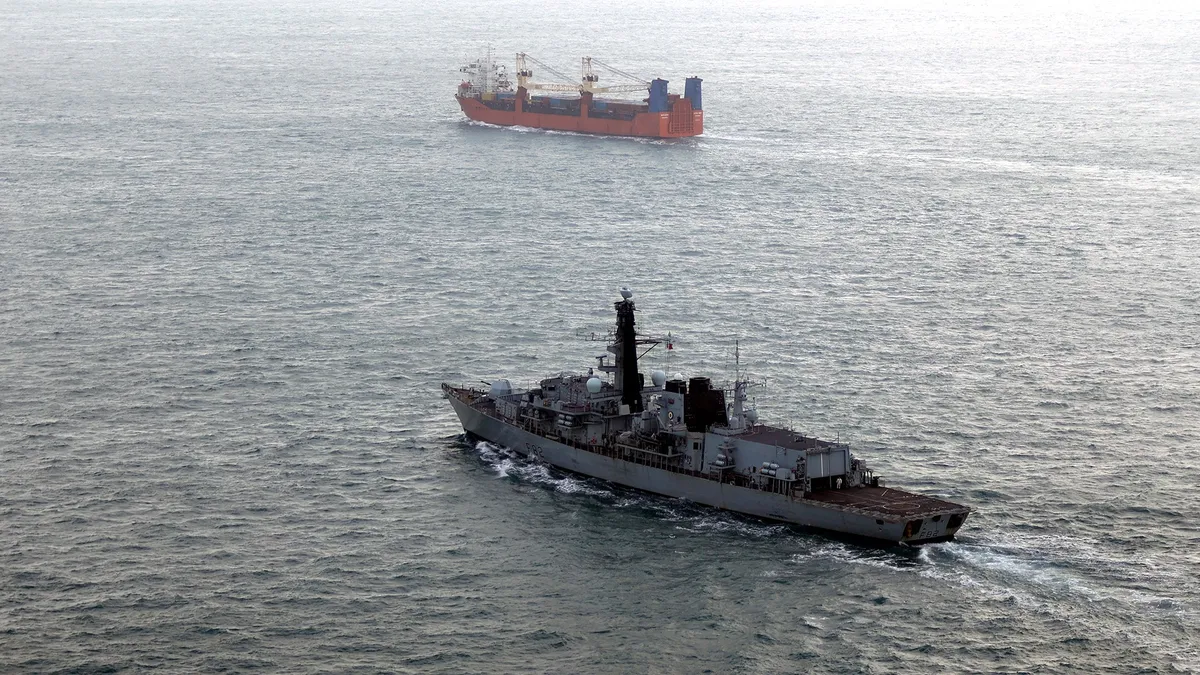
UK boarding authority in home waters creates a enforcement node in the North Sea chokepoint — if France and Germany adopt parallel authority in their EEZs and territorial waters, Russian shadow tankers lose the ability to transit to European refineries without interception risk, directly compressing Russian oil export volumes and forcing longer routing around Africa.
This converts a sanctions compliance problem into a logistics constraint that affects Russian state revenue and allied refinery feedstock costs simultaneously.
This operationalizes enforcement of secondary sanctions against Russian shipping within allied territorial waters — a shift from diplomatic pressure to direct naval action.
UK enforcement in home waters sets a precedent for NATO allies (France, Germany, Denmark controlling North Sea passages) to adopt similar boarding authority, potentially creating a coordinated interdiction layer on Russian energy exports. The constraint is political: escalation tolerance in European capitals and whether interdictions trigger Russian retaliation against allied shipping or NATO infrastructure.
The article does not specify: (1) which shadow fleet vessels are currently operating in UK waters or their cargo; (2) whether the UK has coordinated this authority with other North Sea/Channel states or NATO; (3) the legal basis invoked (maritime law, sanctions enforcement, or national security); (4...
Fault Lines
Strategic intelligence, synthesized daily — with a public track record. Every call graded against what actually happened.