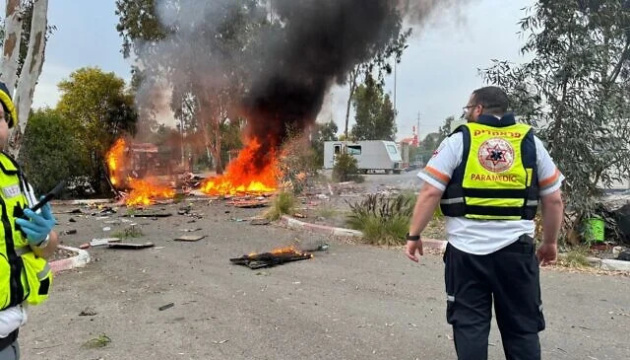
Iran Strikes Central Israel; 29th Wave Sustains Retaliation Cycle Within Ongoing Conflict
Sustained Iranian retaliation at this tempo creates two cascading pressures: first, on US and Israeli air defense procurement — each interception consumes inventory (Patriot PAC-3, THAAD, David's Sling rounds), and replacement lead times (12-18 months for PAC-3 production) are already stretched by concurrent Ukraine resupply; second, on energy markets, where the IEA has already declared this the largest oil disruption in history.
If Iran maintains 29+ strike waves through March, Hormuz throughput losses compound, forcing energy-dependent sectors (shipping, petrochemicals, power generation) into hedging positions that lock in higher commodity prices independent of whether strikes actually hit targets.
This strike is incremental within an established retaliation pattern already underway since March 10.
The conflict has moved past escalation signaling into sustained attrition — Iran is cycling through strike waves roughly every 24-48 hours, Israel is responding with new targets (Parchin hardened facilities, civilian infrastructure, public gatherings), and neither side shows signs of de-escalation. What matters now is whether the strike density, targeting pattern, or damage inflicted changes the trajectory.
This single strike does not. Investors should track whether strike interception rates degrade (suggesting air defense saturation), whether damage spreads outside military targets at scale, or whether third-party involvement expands (France's casualty on March 13 is the first NATO ally combat death in theater).
The article does not specify: which three sites were hit, whether any struck their targets, casualty or damage estimates, Israeli air defense interception rates, or whether this wave included drone or cruise missile components alongside ballistic missiles.
Fault Lines
Strategic intelligence, synthesized daily — with a public track record. Every call graded against what actually happened.