Poland's Armament Agency Orders Shield AI V-BAT for Naval Operations
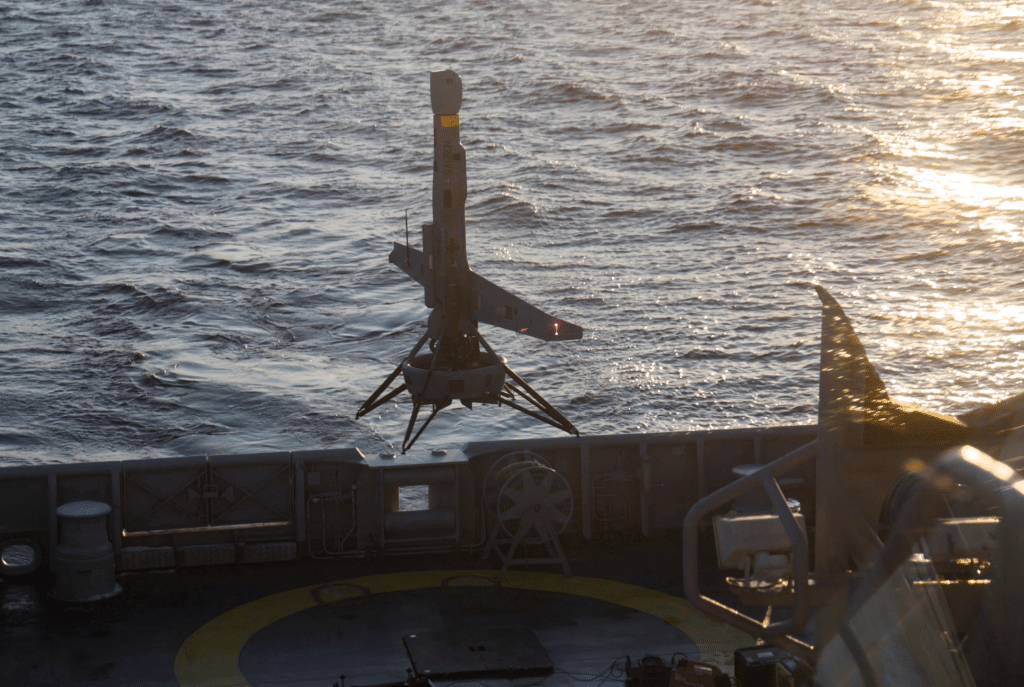
If Poland's procurement is substantial (20+ airframes, $200M+), it validates the Hegseth posture review's implicit threat: allied nations will substitute U.S. platforms with third-party autonomous systems if American commitment appears conditional.
Shield AI gains a NATO customer and operational validation in a high-stakes theater — the Baltic and North Sea — where autonomous naval reconnaissance directly competes with manned P-8 Poseidon missions the U.S. would otherwise provide. Conversely, if this is a small trial order, it's incremental capability-building with no signal about NATO burden-sharing dynamics.
Poland is moving to field autonomous naval reconnaissance without reliance on NATO supply chains or allied platforms — a shift driven by the Pentagon's June 18 Europe posture review, which tied forward-deployed U.S. capacity to allied defense spending and industrial independence.
This contract signals Warsaw is hedging against uncertainty in U.S. commitment levels by investing in domestically procurable drone capability. The timeline matters: Poland must demonstrate defense-industrial momentum before the NATO burden-sharing review concludes in Q3 2026, when Hegseth's office will assess whether allied procurement decisions align with the administration's cost-sharing demands.
What is the contract value and unit count? The press release mentions V-BAT acquisition but provides no dollar amount or number of airframes — critical details for assessing whether this is a token purchase (under $50M, 5-10 units) or a sustained program (over $200M, 20+ units).
Fault Lines
Strategic intelligence, synthesized daily — with a public track record. Every call graded against what actually happened.