Lockheed Compresses Lamprey Development to 14 Months, Plans Variants by Year-End
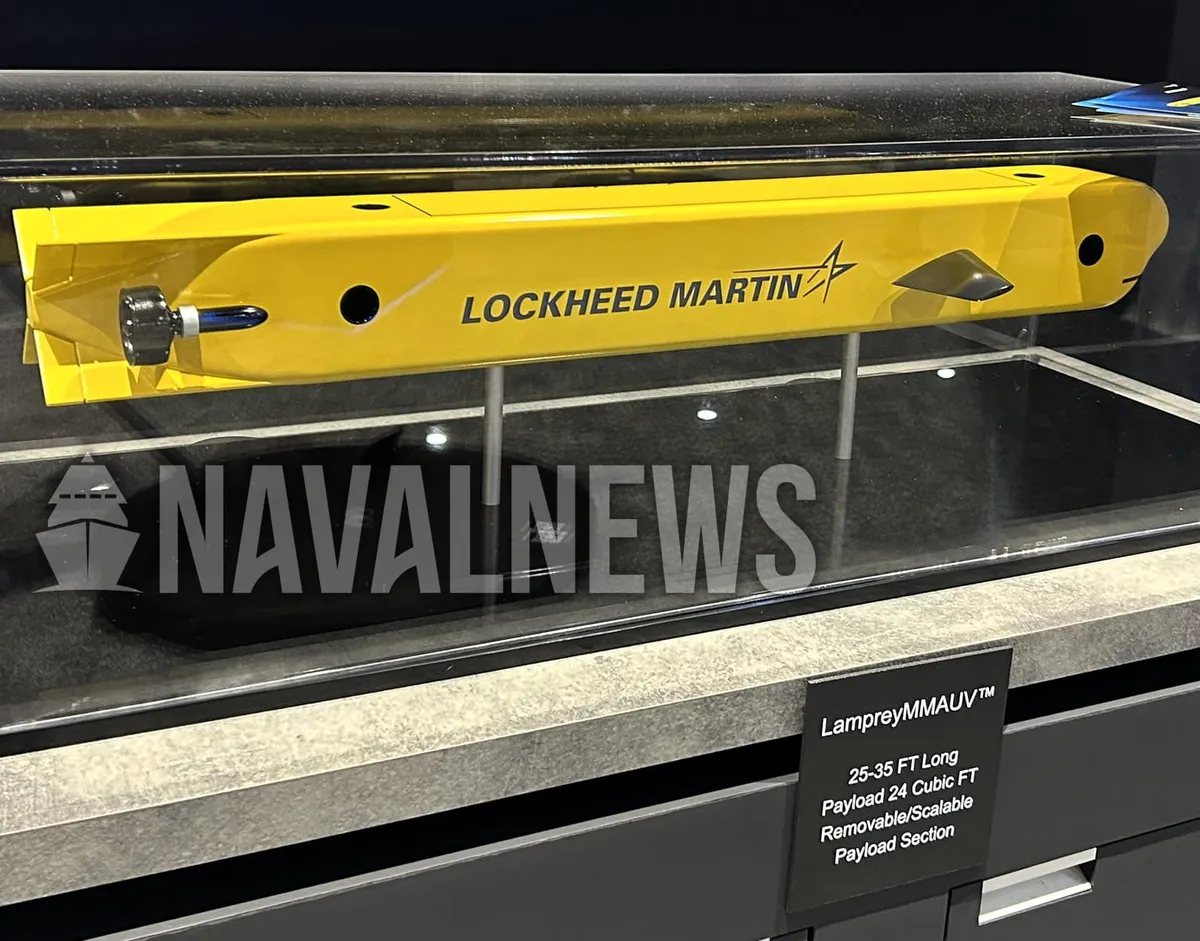
Compressed development cycles reduce the time between capability concept and fleet integration, which tightens the window for competitors (China, Russia) to field countermeasures.
If Lockheed's 14-month cadence becomes the baseline for Navy UUV procurement, it shifts the procurement bottleneck from design to production and integration — forcing the Navy to pre-commit to quantities and logistics before full operational testing. This directly affects FY27-28 budget requests for distributed maritime operations and allied interoperability standards for UUV swarms.
The 14-month development cycle signals Lockheed's ability to compress autonomous undersea vehicle timelines — a capability relevant to Navy procurement timelines for distributed maritime operations.
However, the absence of contract awards, customer commitments, or fielding dates in the reporting means this remains a capability demonstration, not a procurement signal. The value depends on whether this translates into actual Navy orders and at what production rate.
If variants enter service within 18 months, it could accelerate the Navy's shift toward distributed UUV networks; if Lamprey remains a prototype or enters only limited trials, the development speed has no operational consequence.
The article does not identify the customer (Navy, SOCOM, other), specify contract status or value, confirm actual fielding timelines (versus company targets), or detail technical specifications that would explain how 14-month development was achieved.
Fault Lines
Strategic intelligence, synthesized daily — with a public track record. Every call graded against what actually happened.