UK Naval Capacity Constraint Surfaces Amid Iran Conflict; France Deploys Armada
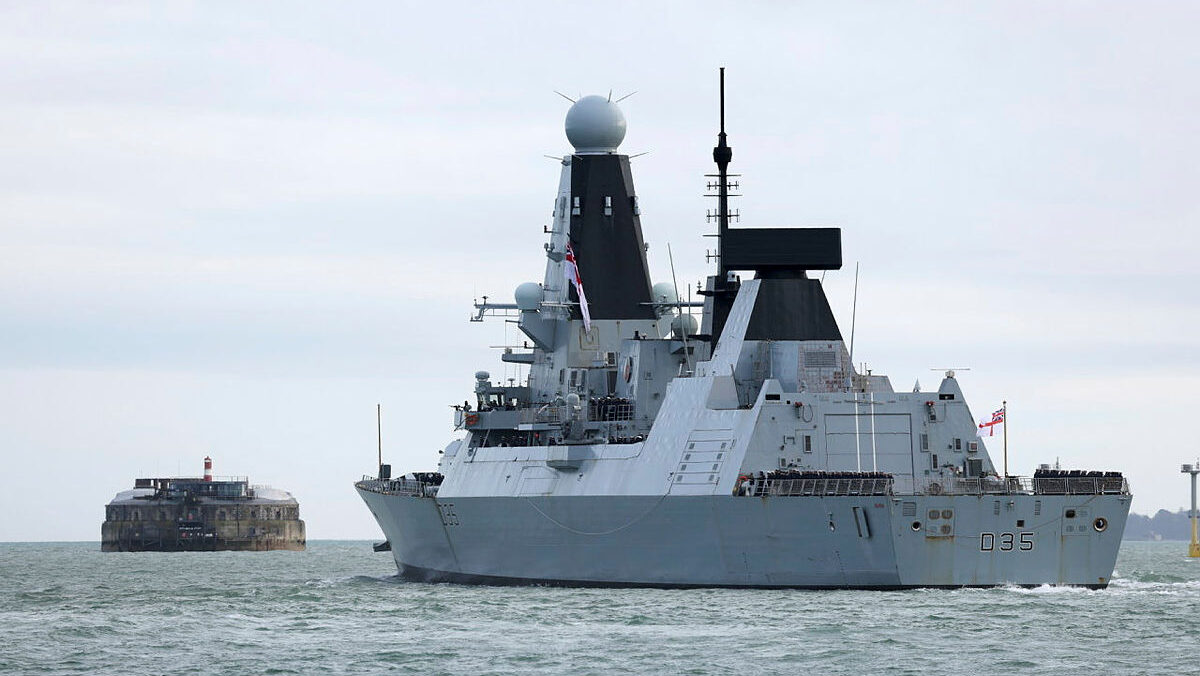
UK naval constraint during active Iran conflict operations forces the US to extend carrier task force dwell time in the Middle East to maintain presence — directly competing with planned Taiwan Strait rotations and delaying Indo-Pacific contingency readiness.
This also signals to China that US force posture in the Pacific is currently degraded by Middle East commitments, potentially opening a window for coercive action against Taiwan or US allies if the Iran conflict extends beyond Q2 2026.
This signals a real constraint on UK force projection capacity during an active high-intensity conflict — not a strategic choice but a capacity ceiling.
If Britain cannot sustain a robust maritime presence in the Middle East during the current Iran escalation without degrading other commitments (North Atlantic, Indo-Pacific reassurance), this exposes a gap in allied burden-sharing and may force the US to backfill UK responsibilities, further straining US munitions and platform availability.
The contrast with France's deployment also suggests NATO's southern flank is fragmenting operationally — different allies are making different bets on the conflict's duration and scope. Watch whether UK constraint forces reallocation of US naval assets away from planned Indo-Pacific rotations.
The article does not specify: which UK vessels are deployed, their mission scope, whether the 'stretched' assessment reflects budget constraints, personnel availability, platform readiness, or strategic prioritization. We also lack France's deployment numbers and mission definition.
Fault Lines
Strategic intelligence, synthesized daily — with a public track record. Every call graded against what actually happened.