Space Force Cuts SDA Data Transport Funding; Tactical-Enterprise Comms Split Widens
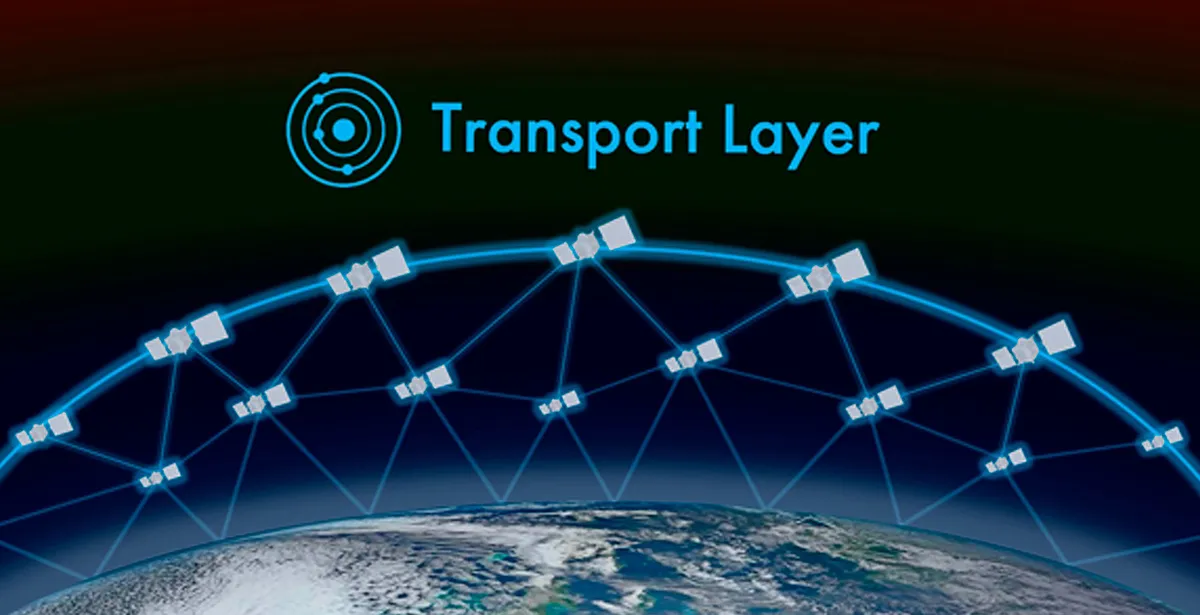
The cut isolates the SDA's data layer from Space Force's broader enterprise architecture, forcing SDA to either seek independent congressional authority (splitting space operations funding) or fold into Space Force's command structure.
If SDA loses autonomy, the federated model for rapid tactical space integration collapses — meaning warfighters depend on slower, centralized Space Force release cycles rather than direct SDA feeds. This delays the transition from platform-centric to data-centric operations during the very window (2026-2028) when Pacific Command expects to operationalize JADC2 for Taiwan contingency planning.
This is a budget-level signal of institutional friction between Space Force and SDA over architecture ownership.
The SDA data transport layer was designed to feed real-time tactical data to warfighters while maintaining enterprise backbone capacity — a linchpin for the Joint All-Domain Command and Control (JADC2) concept.
If Space Force kills the funding, either SDA's transport layer stalls (forcing tactical comms to rely on legacy systems during peer conflict) or SDA must fight Congress for supplemental money, burning political capital. Alternatively, Space Force may be signaling it wants to build its own transport capability in-house rather than depend on SDA as a separate entity.
The Hill will have to choose between SDA's federated model and Space Force's integrated one. This matters because the architecture choice determines which primes win sustainment contracts — Northrop Grumman and Lockheed have competing visions for how data flows.
Is this a deliberate strategy shift by Space Force leadership (SDA is redundant to our mission) or a budget placeholder that gets restored in markup? And did SDA fail to deliver on cost or schedule, or is Space Force simply protecting its own procurement line?
Fault Lines
Strategic intelligence, synthesized daily — with a public track record. Every call graded against what actually happened.