Indian Navy Commissions Three Warships From GRSE; Domestic Design Capability Advances
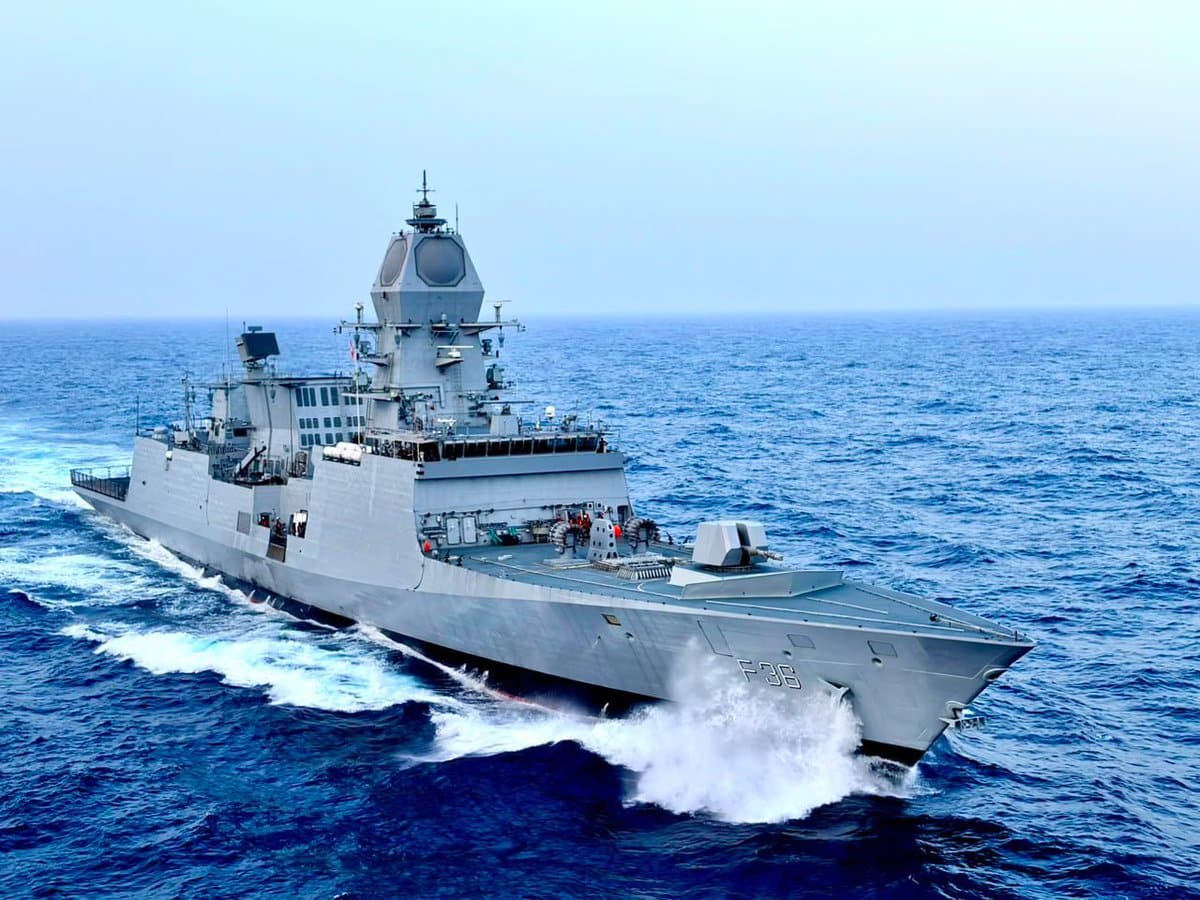
GRSE's consolidation of three distinct vessel classes (frigate, survey, ASW) in a single commissioning cycle indicates the yard has resolved production bottlenecks that historically plagued Indian shipbuilding — long lead times between keel-lay and commissioning. If GRSE sustains this tempo, it unlocks the capacity to support India's stated goal of a 175-ship navy by 2035.
Conversely, if commissioning intervals stretch again (as they have historically), the timeline slips and India remains dependent on foreign procurement to backfill the fleet gap.
India is consolidating indigenous warship design and production within a single state shipyard, reducing dependence on foreign design partnerships and establishing GRSE as the primary platform for frigate and ASW vessel production.
The Nilgiri-class represents India's third domestically designed frigate class in active service (following Shivalik and Visakhapatnam classes), signaling confidence in domestic design maturity for multi-mission surface combatants.
Watch whether India pursues export variants of the Nilgiri-class to Indian Ocean partners (Bangladesh, Sri Lanka, Mauritius) — a test of whether domestic design can compete against French and European offerings in the regional market.
What is the unit cost per Nilgiri-class frigate compared to imported alternatives, and how many additional hulls does the Indian Navy plan to order beyond the initial three?
Fault Lines
Strategic intelligence, synthesized daily — with a public track record. Every call graded against what actually happened.