Bell Completes Wing Structures for MV-75 Cheyenne II; First Flight Targeted Within Two Years
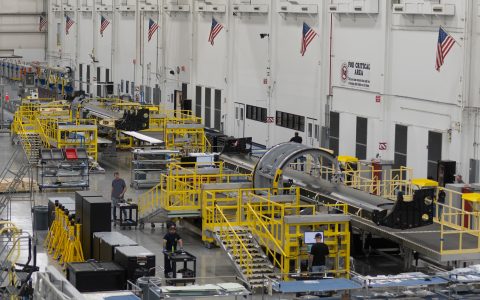
The two-year first-flight target puts maiden flight in mid-2028, leaving a narrow window for Army developmental testing before FY29 LRIP decisions.
If Bell encounters structural or systems integration issues typical of tiltrotor programs—the V-22 experienced a 4-year development slip—the Army will face pressure to either stretch the Black Hawk fleet life (cost-intensive sustainment) or accelerate a fallback procurement (likely extended UH-60M production, which keeps Newport News and Sikorsky's Stratford line engaged longer than planned).
The wing milestone itself is routine, but the schedule it sits on is not.
The MV-75 is the Army's replacement for the aging UH-60 Black Hawk fleet—a $70B+ modernization requirement over the platform's lifecycle.
Wing completion is a structural milestone that de-risks the first-flight timeline; if Bell holds the two-year window, it validates the development schedule against Congressional appropriations tied to FY27 and FY28 procurement.
Delay past 2028 compresses the Army's testing and evaluation phase before Low Rate Initial Production decisions, forcing either schedule compression (cost and quality risk) or multi-year delays in Black Hawk retirement planning. Watch the FY27 Army budget justification materials (due to Congress by early 2027) for any revision to the first-flight date or funding profile.
Does Bell's Amarillo line have the manufacturing capacity to sustain both MV-75 prototype build and any concurrent production ramp for other rotorcraft, or will prototype work consume the facility's throughput and delay LRIP readiness?
Fault Lines
Strategic intelligence, synthesized daily — with a public track record. Every call graded against what actually happened.