HII Wins Pentagon UUV Deployment Contract for Submarine Torpedo Tubes
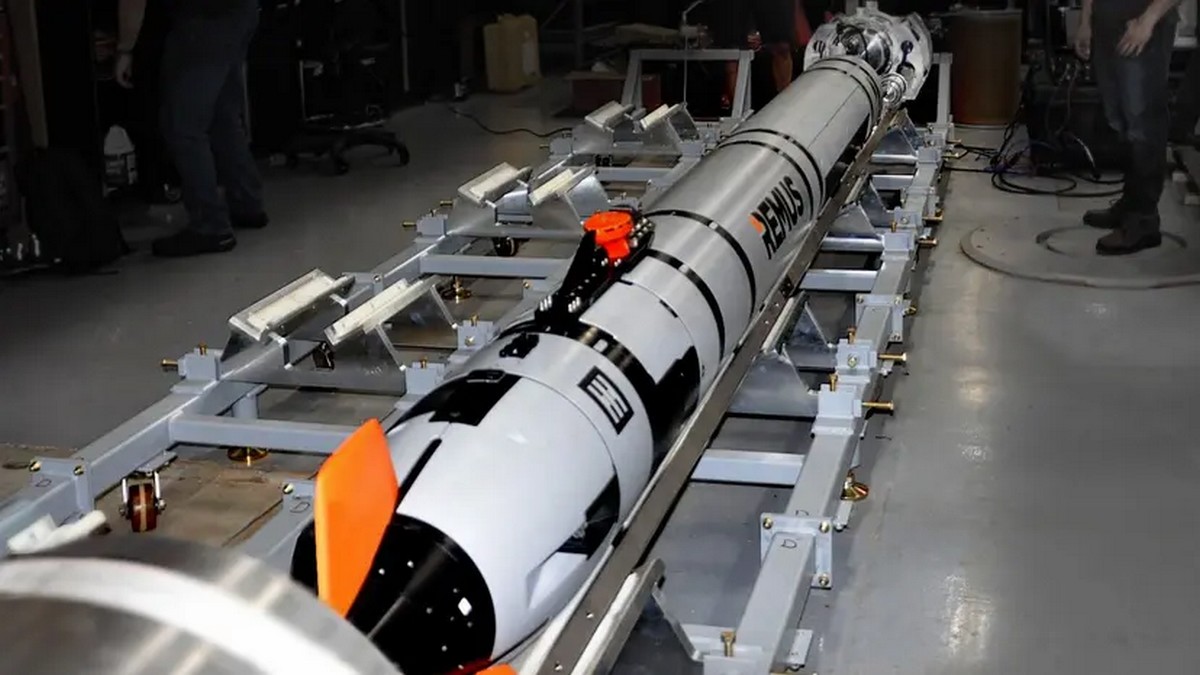
If this system matures to production, it forces a recalculation of undersea strike economics. A Virginia-class boat carrying 4-6 autonomous UUVs via torpedo tubes gains persistent ISR coverage in the Taiwan Strait or South China Sea without surfacing or launching noisy external payloads. That capability directly competes with China's UUV programs and shifts the calculus for INDOPACOM's undersea deterrent posture.
The timeline matters: if HII delivers a mature system by 2029, it aligns with Virginia-class Block V production and shapes the FY28-FY30 force structure debates.
This contract signals Pentagon investment in submarine-based autonomous ISR and strike capability, which directly affects force design decisions for attack submarine modernization and INDOPACOM's undersea dominance strategy.
The torpedo tube as a UUV launch platform bypasses the need for separate payload tubes, reducing submarine redesign costs and accelerating deployment timelines. Watch whether this becomes a standard retrofit for Virginia-class Block V hulls or remains experimental.
What is the contract value, and does it include LRIP or prototype-only work? Is this intended for Virginia-class, Columbia-class, or both? Does the system compete with or complement Riptide and other existing UUV deployment architectures?
Fault Lines
Strategic intelligence, synthesized daily — with a public track record. Every call graded against what actually happened.