Navy Plans Autonomous Systems Command to Coordinate Unmanned Fleet Operations
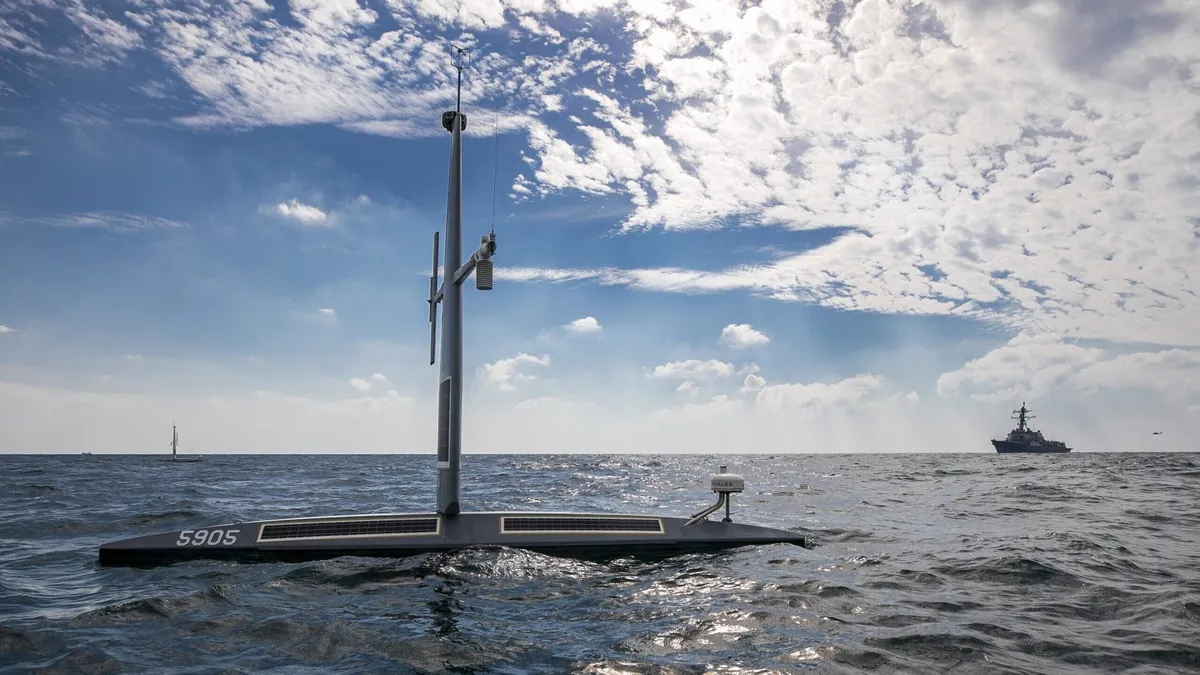
Establishment of a dedicated autonomous systems command would force platform developers (General Dynamics, Huntington Ingalls, Lockheed Martin's Sikorsky division) to align sensor, networking, and autonomy standards to a single authority rather than competing service branches.
This consolidation of procurement authority typically accelerates vendor shakeout in the autonomous systems market and shifts contract awards toward primes with existing naval relationships over pure-play autonomy startups.
If implemented, this signals the Navy views autonomous systems as operationally significant enough to warrant a flag-level command structure, similar to existing domain commanders (air, surface, submarine).
This matters for defense primes bidding autonomous platforms — it suggests the Navy is moving beyond ad-hoc autonomous procurement toward integrated fleet architecture, which typically precedes major platform consolidation. However, the concept stage means no budget commitment is confirmed, and the actual scope (fleet-wide coordination vs. a smaller experimental unit) remains undefined.
Watch whether this appears in the FY27 budget justification or Senate Armed Services markup.
The article does not specify: whether this would be a new three-star command or a subordinate cell within existing Fleet Forces; what autonomous platforms (surface, subsurface, air, logistics) fall under its authority; or when the Navy expects to operationalize it.
Fault Lines
Strategic intelligence, synthesized daily — with a public track record. Every call graded against what actually happened.