Turkish Firm STM Debuts TENGIZ XLUUV with Torpedo and Loitering Munition Capability
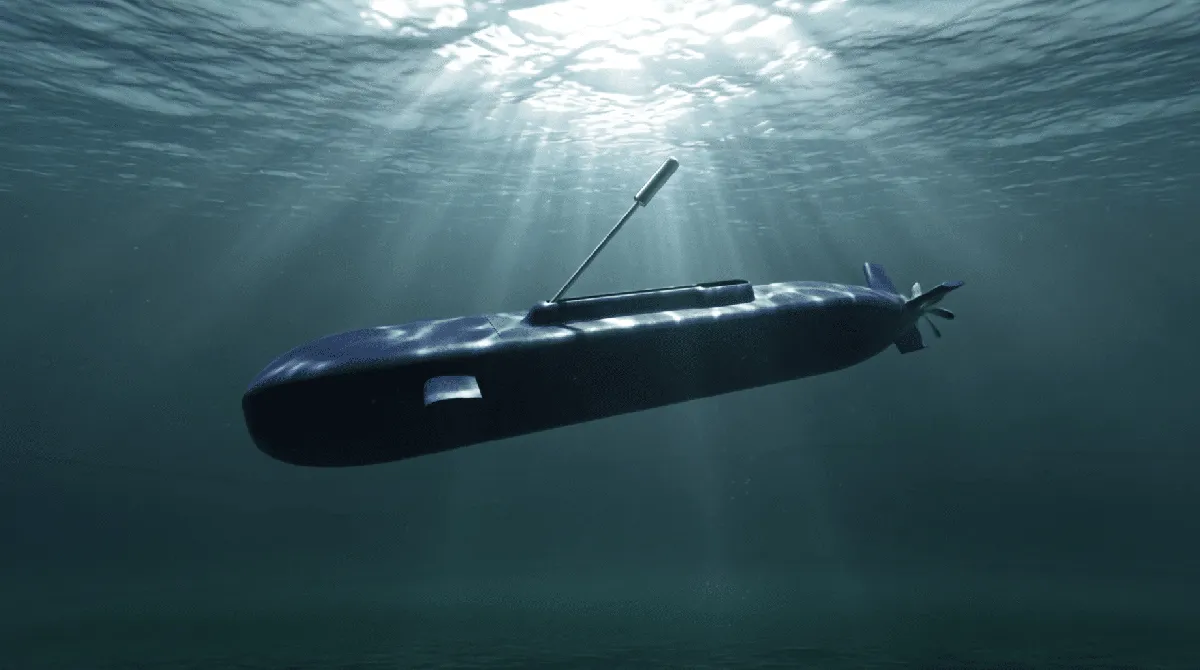
If TENGİZ achieves NATO certification and export approval, it shifts the underwater strike market away from single-source dependency on US Navy systems. Turkey's domestic XLUUV production undercuts US and European pricing—a dynamic that will surface in allied budget negotiations.
More critically: Turkey's history of independent defense tech exports (armed drones to Ukraine, Azerbaijan) suggests TENGİZ could reach non-NATO actors faster than traditional Western export controls would allow. Watch whether the US State Department conditions NATO interoperability standards on Turkish export licensing commitments.
NATO now has a Turkish-developed autonomous underwater strike platform entering service, filling a capability gap that previously required reliance on US or European systems.
This matters to allied procurement teams because XLUUV systems are dual-use: they can conduct anti-shipping, mine-laying, or intelligence collection with minimal surface signature and no crew risk—exactly the profile needed for contested waters like the Eastern Mediterranean or Black Sea.
The timing is acute: with Maersk absorbing $500M monthly costs from the Hormuz closure and France deploying a carrier strike group to the Red Sea, allied navies are under pressure to expand autonomous strike options that don't require surface escorts.
Turkish production timelines and export licensing will determine whether allied navies (UK, Poland, Greece) can integrate TENGİZ into their own underwater strike doctrine by 2027-2028.
What is the stated production rate and unit cost for TENGİZ, and has STM received any initial NATO allied orders or LOIs?
Fault Lines
Strategic intelligence, synthesized daily — with a public track record. Every call graded against what actually happened.