US Submarine Sinks Iranian Frigate; Naval Escalation Extends Campaign Beyond Air Domain
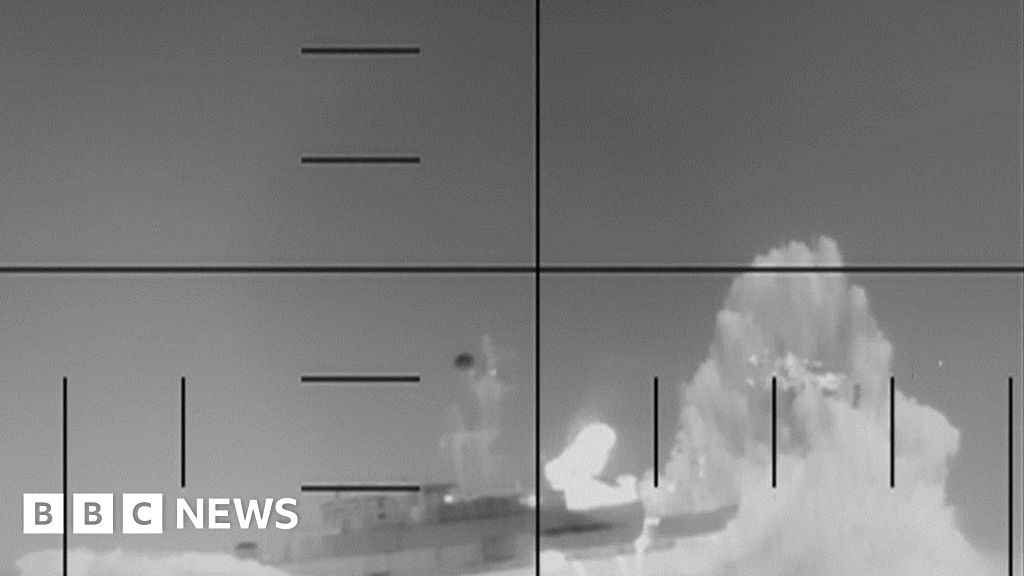
Naval losses reduce Iran's surface fleet capacity to enforce the Hormuz blockade or support IRGC operations in the strait, forcing reliance on smaller missile boats and mines — platforms with shorter range and lower survivability against US air defense.
This pushes Iran toward asymmetric tactics (mines, anti-ship missiles, drones) that are cheaper to replace but operationally less flexible than a frigate, narrowing Iran's options for sustained maritime denial.
This escalates the conflict from air/missile strikes into surface naval warfare, signaling willingness to target Iranian military platforms beyond the Persian Gulf.
The timing — announced after nine days, during active Hormuz blockade operations — suggests the US is degrading Iran's ability to project power or enforce the strait closure. If Iran possesses additional surface combatants in the Indian Ocean or Arabian Sea, they now face submarine threat, which will constrain their operational freedom and potentially force them into port or closer to coastal air defense.
The loss of 84 trained sailors represents irreplaceable personnel attrition for Iran's Navy.
The article does not specify the submarine type (US Navy class), weapon system used, or whether Iran had detected the submarine before the strike. Unclear whether the Iris Dena was engaged in blockade operations, transit, or other tasking.
Fault Lines
Strategic intelligence, synthesized daily — with a public track record. Every call graded against what actually happened.