UK Deploys Additional Air Defense and Naval Assets as Iran Missile-Drone Campaign Reaches 3,500 Strikes
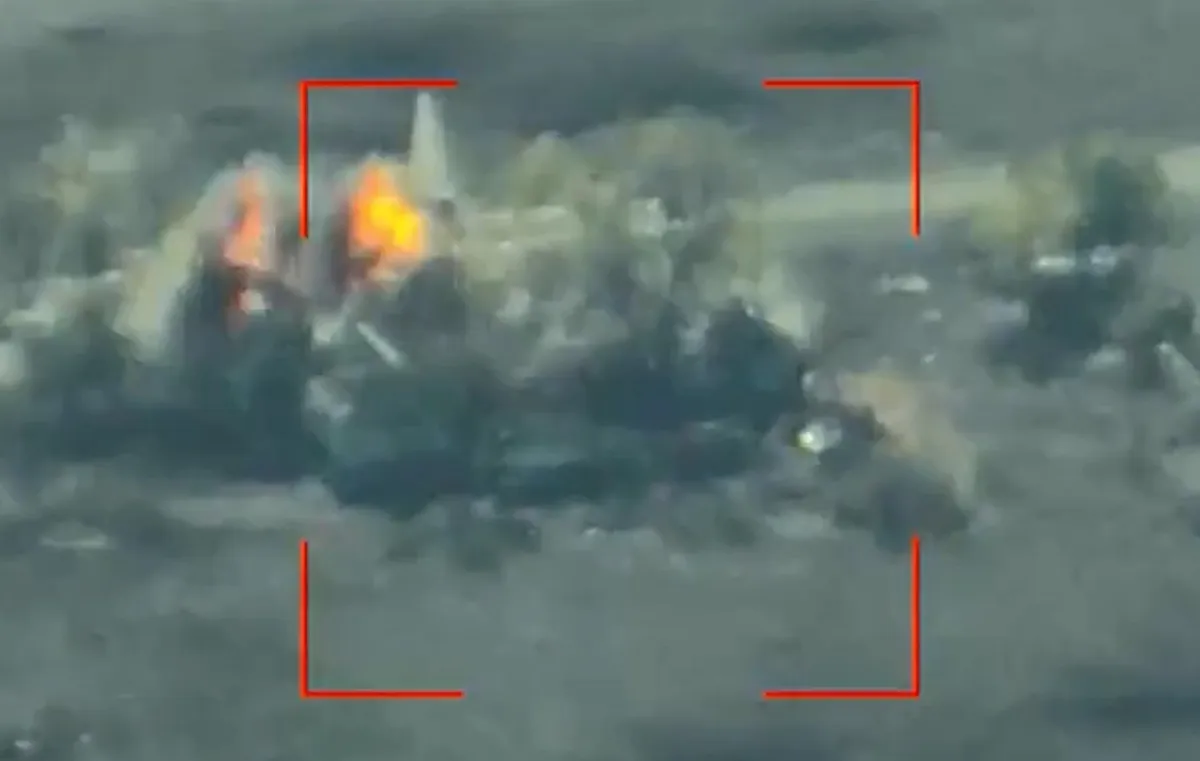
UK force augmentation directly affects NATO air defense procurement timelines and inventory commitments. If additional Patriot or IRIS-T systems are being diverted from European stocks to the Middle East, this creates a supply constraint for Poland and Baltic reinforcement, forcing NATO to accelerate 2027 procurement or accept lower Integrated Air Defense System coverage during the Taiwan contingency window.
Similarly, naval asset redeployment pulls escort capacity from North Atlantic and North Sea operations, reducing available tonnage for future Taiwan Strait transit operations and increasing operational tempo on remaining hulls.
This is the first NATO ally to formally announce force augmentation since the Iran-Israel conflict entered direct capital targeting on March 23.
UK air defense and naval additions signal Allied assessment that Hormuz closure and Ras Laffan LNG disruption require forward-positioned assets to protect shipping and regional infrastructure, not just Israeli territory. The 3,500-strike aggregate—if accurate—indicates Iranian inventory depletion is not imminent, affecting NATO threat modeling for extended regional presence.
Watch whether US, France, or Germany announce similar deployments; absence would signal they assess the conflict as contained, presence would indicate Allied consensus that this is entering a sustained regional conflict phase requiring permanent posture shifts.
The article does not specify what types of aircraft, air defense systems, or naval assets are being deployed, their origin bases, or the timeline for arrival. It also does not clarify whether this is a net increase or a redeployment of existing UK assets from other regions.
Fault Lines
Strategic intelligence, synthesized daily — with a public track record. Every call graded against what actually happened.