Air Force Extends A-10 Retirement to 2030 Amid Middle East Combat Ops
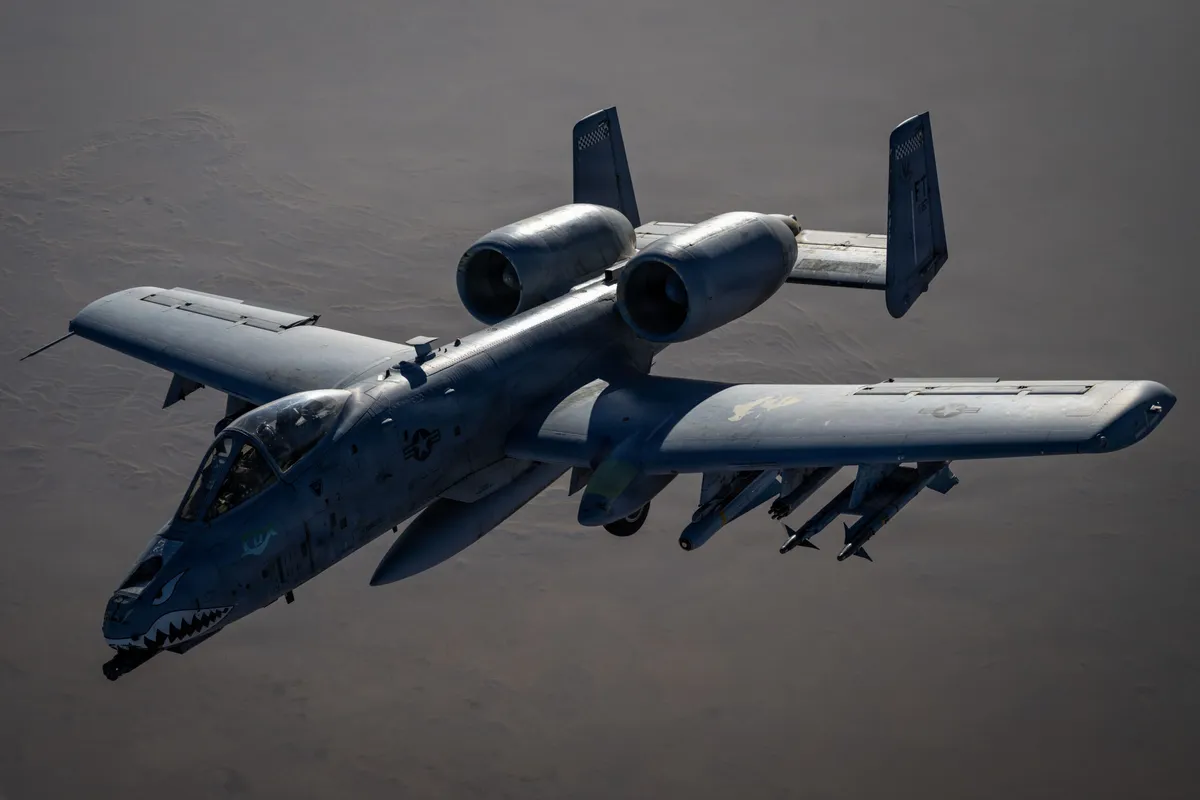
The Hormuz blockade (April 19-20) created an immediate air support requirement that forced the Air Force to abandon its A-10 retirement timeline. This extends Northrop Grumman's sole-source position on A-10 sustainment and depot work through 2030, locking in procurement dollars that would otherwise flow to F-35 CAS development.
The delay also signals that the Pentagon's force posture assumes sustained Middle East operations beyond 2026 — a planning assumption that now appears baked into the FYDP.
This is a forced move, not a strategic choice.
The Hormuz closure and active naval engagement with Iranian assets (per the USS Spruance incidents on April 20) have created immediate CAS demand that the F-35 cannot yet absorb in the close-support role. The A-10's 30mm GAU-8 and loiter time are irreplaceable in the current operational tempo.
The four-year extension signals that the Air Force's transition plan to retire the A-10 by 2026 was always aspirational — not resourced against actual threat timelines. Expect sustainment costs to spike: Northrop Grumman's depot maintenance contracts will now extend through FY30, and airframe life-extension programs (already underway) will accelerate.
This also delays the F-35's maturation in the CAS mission by definition — if the A-10 stays, the F-35 CAS variant remains in secondary priority.
Did the Air Force formally reprogram FY27-FY30 sustainment funding, or is this a verbal delay pending a budget amendment? A verbal delay without appropriations dies at the next HASC markup.
Fault Lines
Strategic intelligence, synthesized daily — with a public track record. Every call graded against what actually happened.