French Carrier Strike Group Deploys to Baltic, Expanding NATO Forward Presence
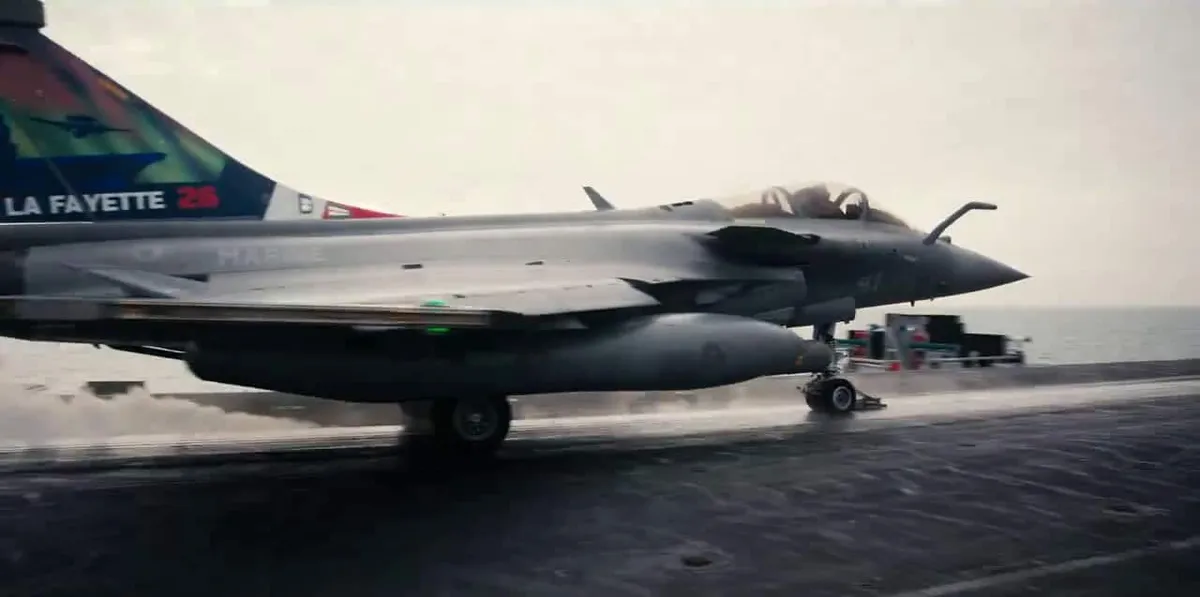
The deployment commits French naval maintenance and logistics to sustained Baltic operations, which competes with Charles de Gaulle's availability for Indo-Pacific rotations and Mediterranean contingencies. This reduces France's flexibility to reinforce other theaters without a second carrier — a capacity gap that accelerates demand for the Foudre-class carrier program (currently in early design).
Simultaneously, the presence in the Baltic creates a new operational baseline for allied air defense and anti-submarine systems, which may influence NATO's 2026 force posture review and subsequent procurement timelines for escort frigates and ASW helicopters.
This deployment signals France's commitment to sustained NATO presence in the Baltic and North Atlantic, a region where surface combatants remain vulnerable to Russian submarine and anti-ship missile forces.
The Charles de Gaulle's presence increases allied air cover and carrier-based strike capability in a theater where allied fixed-wing capacity has been limited. However, the deployment duration, escort composition, and specific mission tasking remain unstated — critical variables for assessing whether this represents sustained deterrence posture or a rotational presence.
For shipbuilding and naval prime contractors (Naval Group, DCNS), this validates demand for escort vessels and carrier-capable systems; for RTX and Thales (whose systems equip the carrier), it confirms operational tempo assumptions underlying sustainment contracts.
The article does not specify the deployment duration, the composition of escort vessels, whether allied navies are coordinating concurrent operations, or the stated mission parameters beyond 'North Atlantic' — all necessary to distinguish between a symbolic presence and a meaningful force posture ch...
Fault Lines
Strategic intelligence, synthesized daily — with a public track record. Every call graded against what actually happened.