Drone Strike Destroys Italian MQ-9A at Ali Al Salem; US Base Network Under Active Attack
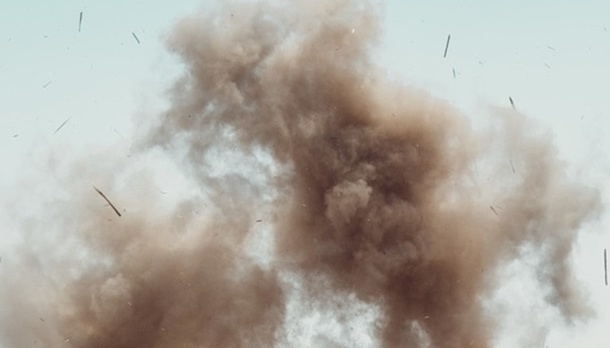
Sustained attacks on Ali Al Salem force CENTCOM to either reinforce air defense systems (drawing Patriot or THAAD units from other theaters, including potential Israel support) or accept higher attrition of ISR platforms, directly reducing the sensor coverage available for strike coordination and damage assessment.
The loss of MQ-9A airframes also signals that Iran or its proxies have identified a specific vulnerability in US base hardening at this location, which will likely trigger an emergency review of force protection posture across all Gulf installations — a process that typically delays offensive operations by 7-10 days while defenses are reconfigured.
Ali Al Salem is a primary hub for US air operations in the region and hosts coalition ISR (intelligence, surveillance, reconnaissance) assets critical to both the ongoing Iran campaign and force protection across the theater.
Loss of an MQ-9A reduces real-time surveillance capacity at a moment when US Central Command is coordinating strikes on Iran's Kharg Island, managing Hormuz shipping threats, and supporting Israeli operations — each requiring persistent overhead coverage.
The pattern of repeated strikes on the same base (now three in 24 hours) suggests Iran or proxy forces have either degraded US air defense effectiveness at Ali Al Salem or identified a targeting vulnerability that will force CENTCOM to disperse or harden the installation, consuming resources and reducing sortie generation capacity during active combat operations.
The article does not specify whether the drone was intercepted by US air defenses before impact, whether other aircraft or personnel were damaged, current operational status of the base, or whether this attack was coordinated with the IRGC's announced strikes on Harir and other facilities or represe...
Fault Lines
Strategic intelligence, synthesized daily — with a public track record. Every call graded against what actually happened.