Pentagon FY26 Reconciliation Allocates $152B: Munitions, Missile Defense, Ships Targeted
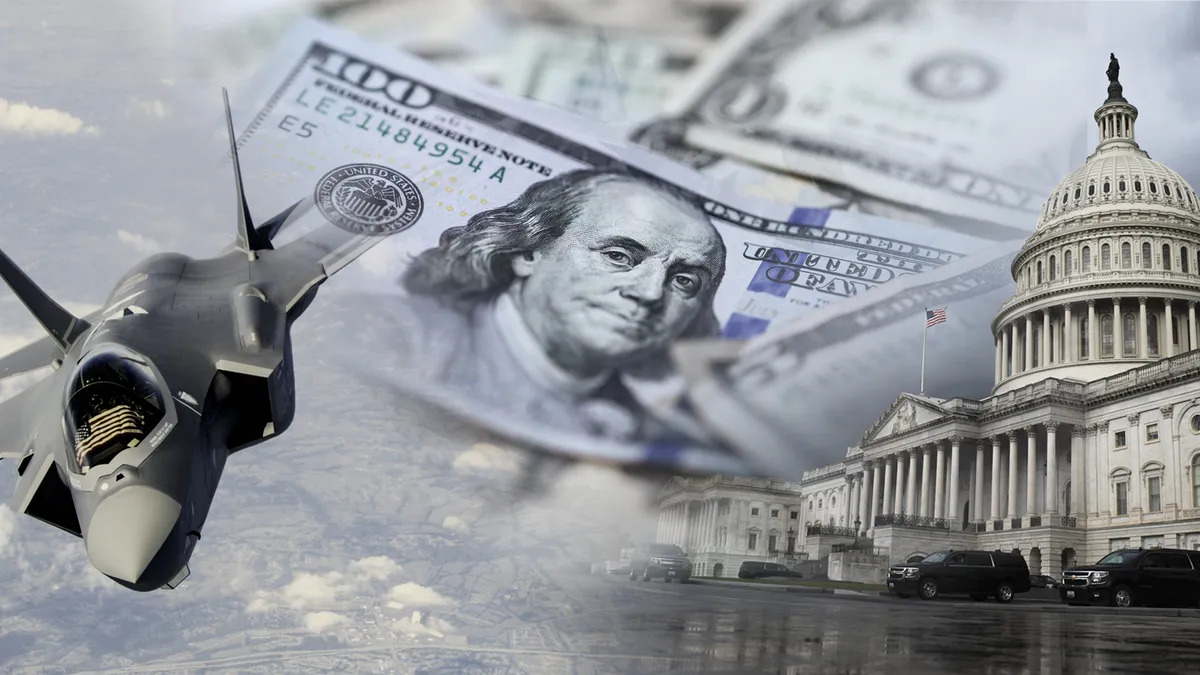
Elevated munitions spending directly extends production run lengths at General Dynamics (artillery), Raytheon (air-to-surface), and Lockheed (precision-guided), lowering unit costs and improving margin recovery — a direct market force benefit for defense primes.
Missile defense allocation (likely including THAAD, Patriot, and SHORAD variants) accelerates allied procurement timelines in Europe and the Indo-Pacific, where allied nations tie their own buys to U.S. production capacity signals; this converts DoD budget authority into a constraint on allied force modernization timing.
This is the first public disclosure of the full FY26 budget reconciliation after passage, giving contractors and program offices their definitive funding baselines for the fiscal year.
The emphasis on munitions and missile defense reflects operational priorities (likely driven by Ukraine consumption rates and Indo-Pacific contingency planning), while shipbuilding allocations signal sustained commitment to naval modernization.
However, the article provides only headline categories without line-item breakdowns — contractors cannot yet determine which specific programs gained or lost relative to FY25, and whether these totals reflect requested amounts or cuts. Program managers need the detailed justification document (DJF) or committee markup language to assess impact on their own contracts.
The article does not specify dollar amounts within each category (how much for munitions vs. missile defense vs. shipbuilding), does not name which shipbuilding programs or munitions types are prioritized, and does not compare FY26 allocations to FY25 enacted levels or original DoD budget requests t...
Fault Lines
Strategic intelligence, synthesized daily — with a public track record. Every call graded against what actually happened.