Finland Charges Russian Captain, Crew in Undersea Cable Sabotage; Chonhar Bridge Strikes Escalate Supply Interdiction
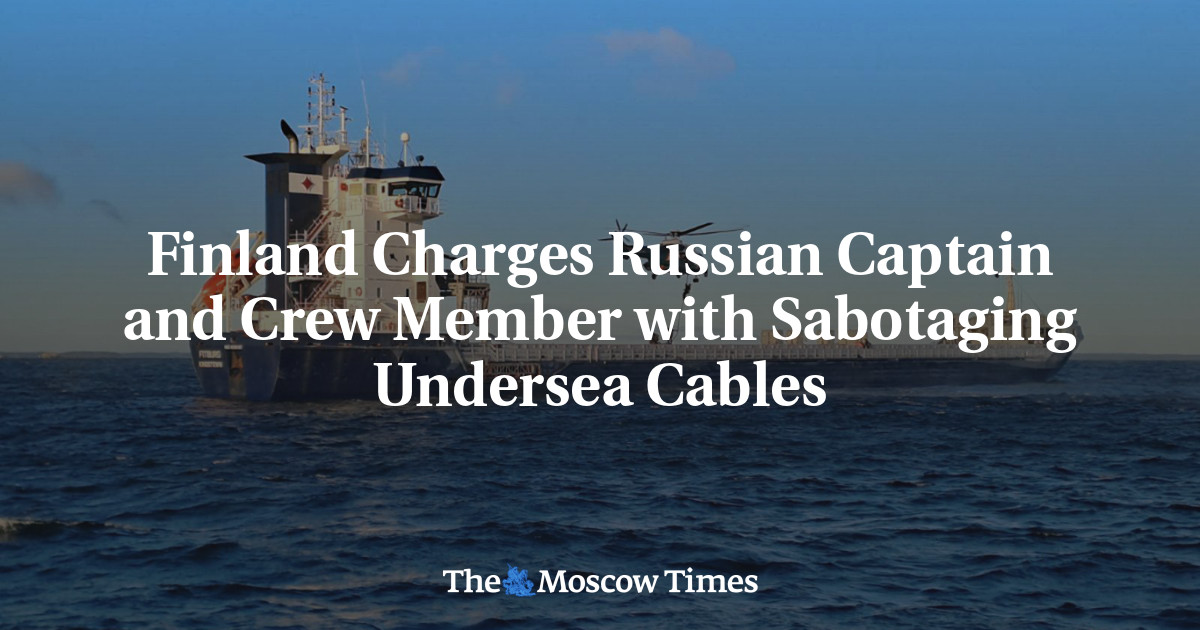
The timing overlaps with Ukraine's strikes on the Chonhar Bridge and Dzhankoi checkpoint — both moves that sever Crimea's primary logistics corridor. If Russia responds to supply-line pressure by escalating hybrid attacks on NATO infrastructure, Nordic states face a choice: absorb the damage or escalate enforcement. Each prosecution raises the political cost of continued operations.
The Fitburg case also establishes a legal precedent for boarding and charging foreign nationals in NATO waters, which removes a procedural barrier that has protected Russian shadow operations for years.
NATO's critical undersea infrastructure now faces an identifiable threat actor with demonstrated operational capability and willingness to act in peacetime waters.
Finland's prosecution signals that Nordic states are moving from passive observation to active enforcement — a shift that forces Russia to calculate escalation costs in a domain it previously exploited with impunity. If the charges stick and other Nordic states follow with similar prosecutions, Russia loses plausible deniability on hybrid infrastructure warfare.
Watch whether Stockholm or Copenhagen initiate their own boarding operations against suspected Russian shadow vessels in the Baltic within the next 90 days.
Did Finnish authorities recover physical evidence of intentional sabotage (e.g., anchor drag patterns, timing logs, navigation records), or is this a prosecutorial inference from circumstantial evidence?
Fault Lines
Strategic intelligence, synthesized daily — with a public track record. Every call graded against what actually happened.