USSF Accelerates Space Domain Awareness Tools from Lab to Operators
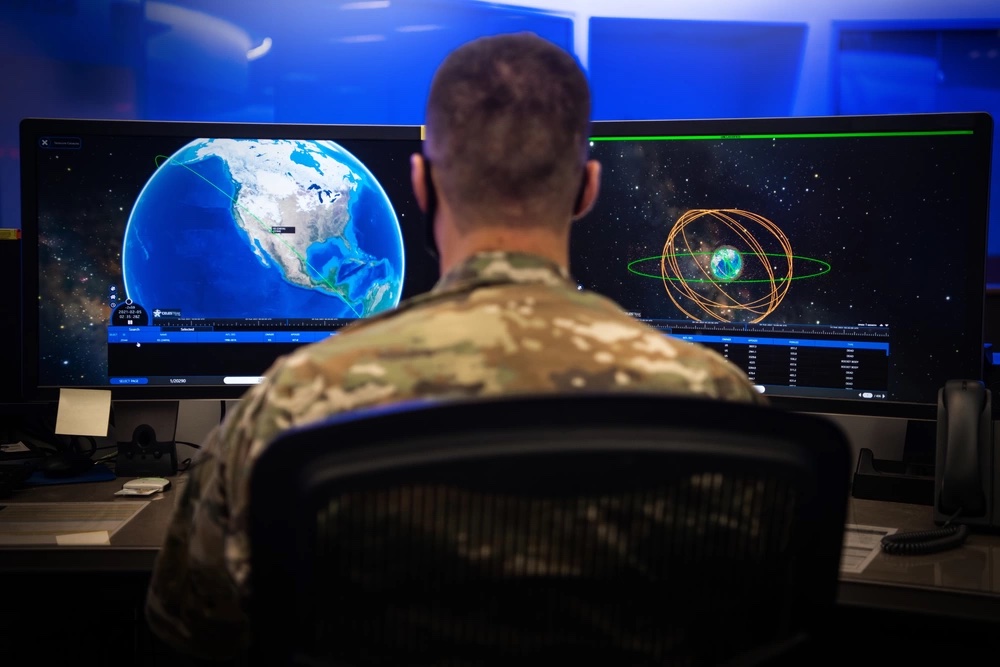
Faster transition of space domain awareness tools directly affects force readiness for Indo-Pacific contingencies, where real-time satellite reconnaissance and battle management integration are prerequisites for air defense and strike coordination.
Delays in operationalizing these tools extend the timeline for Pacific Command to achieve the sensor-to-shooter integration required to counter Chinese missile forces, pushing readiness windows and forcing extended reliance on older systems during the critical 2027-2029 period.
If executed, faster operationalization of space domain awareness tools shortens the window between technical maturity and battlefield relevance — critical in a contested space environment where Chinese and Russian anti-satellite capabilities are advancing.
The constraint is not technical capability but transition speed; this suggests USSF has identified bottlenecks in its development-to-ops pipeline. Success depends on whether this remains an aspiration or receives dedicated funding and personnel in FY27 budget submissions.
Failure to accelerate leaves operators dependent on legacy systems during a period when space superiority is becoming a prerequisite for terrestrial force projection.
The article does not specify: which battle management tools are in the pipeline, the current timeline from lab to ops, what the target timeline is, whether this requires new funding or process changes, or which commands/units are the intended operators.
Fault Lines
Strategic intelligence, synthesized daily — with a public track record. Every call graded against what actually happened.