NATO Deputy Chief Calls for Cost-Imposition Framework on Russian, Chinese Cyber Attacks
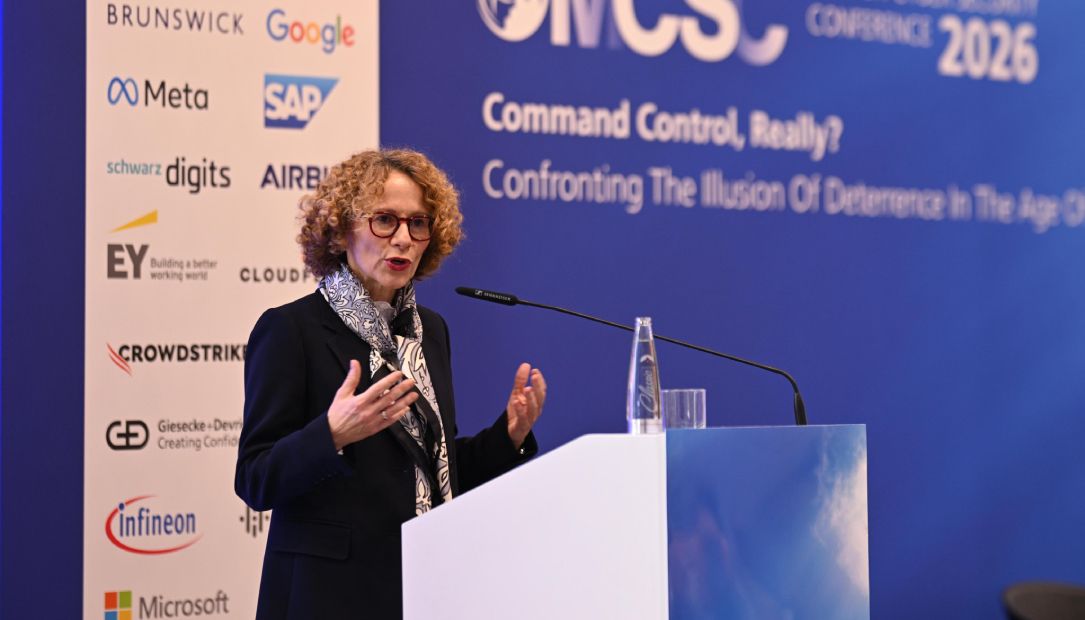
This bridges Power Projection and Geopolitical Friction. On Power Projection: NATO is signaling intent to move cyber operations from defensive-only to active deterrence, which will drive procurement in real-time threat assessment, attribution, and kinetic/non-kinetic response platforms.
On Geopolitical Friction: cost-imposition doctrine is a direct escalation posture toward Russia and China, raising the stakes for cyber operations and potentially triggering reciprocal escalation. The mechanism is deterrence through credible counter-threat, not military capability per se.
Limited Market Forces relevance at this stage—no procurement announced—but if operationalized, expect sustained demand for cyber defense contractors and intelligence firms.
This signals NATO leadership is moving toward a deterrence-by-cost doctrine for cyber/hybrid operations—a shift from primarily defensive posture to active consequence imposition.
The mechanism matters: if NATO operationalizes this, it requires (1) attribution capability at scale, (2) coordinated response protocols across 32 members with divergent risk tolerance, and (3) definition of threshold triggers (what constitutes actionable 'cost'—sanctions, cyber retaliation, kinetic response, or hybrid?).
For defense primes: demand for cyber intelligence, attribution, and rapid-response platforms increases; for program managers: expect acceleration in NATO cyber command capability and joint exercise cycles; for policy: this shapes Article 5 interpretation and escalation risk.
The gap is critical: Shekerinska did not specify what 'costs' means operationally, timelines, or whether this requires treaty amendment or existing authority.
The article does not clarify whether NATO is proposing cost-imposition through existing mechanisms (sanctions, cyber response) or new authorities, nor does it specify the threshold for activation or whether this requires consensus across all NATO members.
Fault Lines
Strategic intelligence, synthesized daily — with a public track record. Every call graded against what actually happened.