Japan Signals Hormuz Support Without Direct Combat Role; Allied Naval Escort Expands
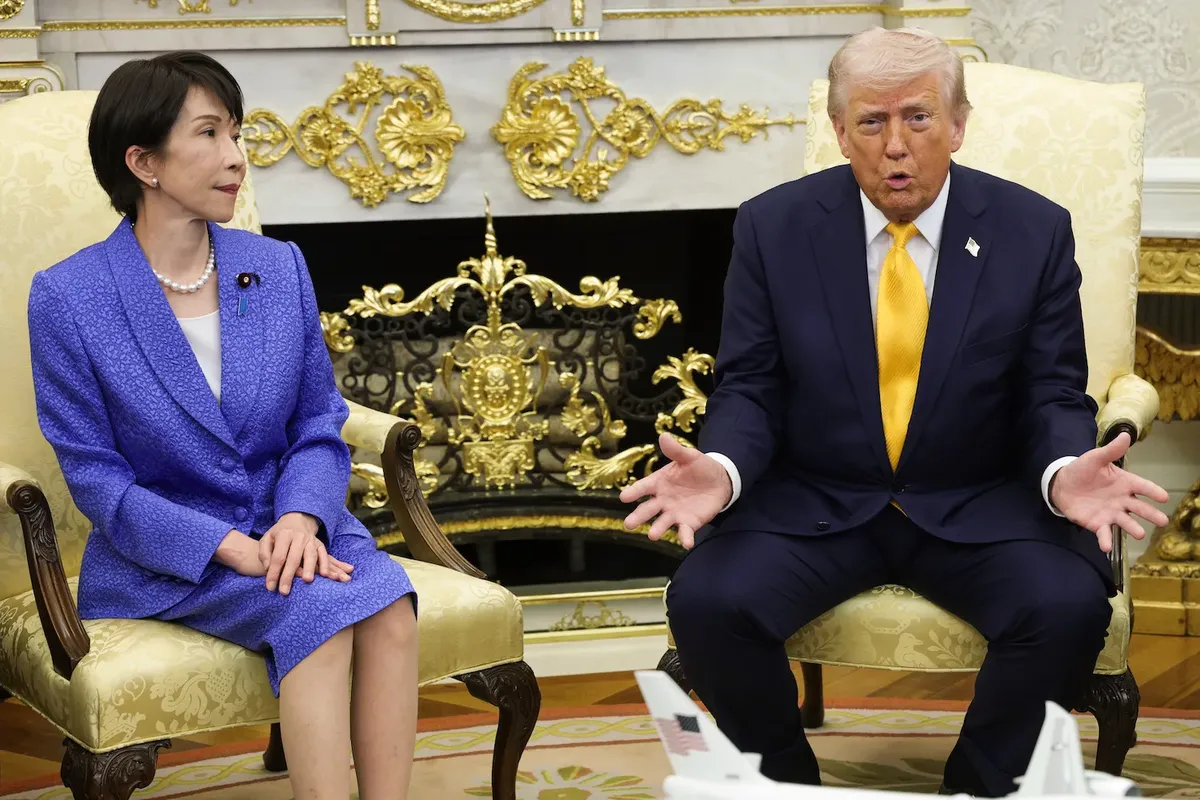
Japan's reluctance to deploy combat assets to Hormuz directly undermines the emerging allied naval escort coalition and forces the US to either accept reduced shipping security (raising energy costs and insurance premiums) or expand unilateral patrols (stretching Pacific Command resources away from Taiwan contingency positioning).
If Japan remains on the sidelines while the UK, France, and smaller allies assume Hormuz escort duty, the operational burden falls disproportionately on Atlantic-based naval forces, compressing availability for Indo-Pacific deterrence operations at a moment when China is likely monitoring allied attention allocation.
Japan's hedging—offering rhetorical support while withholding combat assets—reveals the limits of Trump administration pressure on non-NATO allies during active regional war.
The UK has already committed to Hormuz escort missions (per March 19 signal), but if Japan declines direct participation, the US-led coalition loses a major Indo-Pacific naval power and must rely on smaller allied navies or unilateral US presence to sustain shipping through a chokepoint carrying roughly 20% of global oil.
This matters for energy market pricing and for coalition cohesion: allied burden-sharing in the Hormuz blockade response now depends on which nations accept combat risk in contested waters, not just diplomatic alignment.
The article does not specify what form Japan's 'stepping up' actually takes—financial support, logistics, non-combat naval presence, or purely diplomatic backing.
Fault Lines
Strategic intelligence, synthesized daily — with a public track record. Every call graded against what actually happened.