Iranian Civilian Sleep Deprivation Marks Transition to Attrition Phase of US-Israeli Campaign
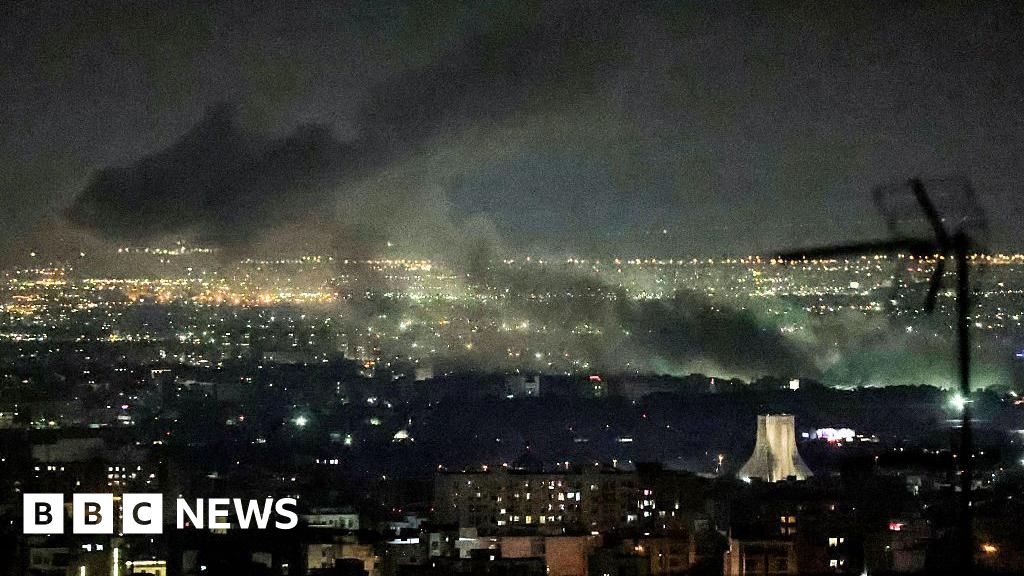
Sustained air operations require continuous munition supply and aircraft availability — if the US and Israel are now in a multi-week attrition phase rather than a 72-hour decapitation campaign, munition burn rates will exceed initial projections, forcing accelerated production at General Dynamics (artillery shells, cruise missiles) and Raytheon (air-to-surface missiles).
Simultaneously, civilian infrastructure damage (power, water, fuel) will degrade Iran's ability to sustain the 27+ retaliatory waves already launched, reducing Iranian strike tempo and creating a window for negotiation or regime collapse — but only if ground operations do not commence.
This signal confirms the campaign has shifted from decapitation strikes (Supreme Leader, nuclear labs, commanders' hotel) into sustained attrition targeting civilian-adjacent infrastructure (power systems, oil depots, urban centers).
Sleep deprivation and civilian stress are measurable indicators of air campaign intensity and duration — they suggest operations are now measured in weeks or months, not days. For defense planners: sustained air operations create demand for expedited munition resupply, maintenance rotations, and crew rest cycles.
For policy: civilian impact accelerates diplomatic pressure and internal Iranian regime instability, which may shorten the conflict window or force escalation to ground operations if regime collapse appears imminent.
The article does not specify which infrastructure is offline (power grid percentage, water systems, fuel distribution), whether strikes are targeting military-industrial sites or purely civilian utilities, or whether Iranian air defenses remain operational.
Fault Lines
Strategic intelligence, synthesized daily — with a public track record. Every call graded against what actually happened.