Planet Labs Restricts Middle East Imagery as US-Israel Strike Campaign Enters Nuclear Phase
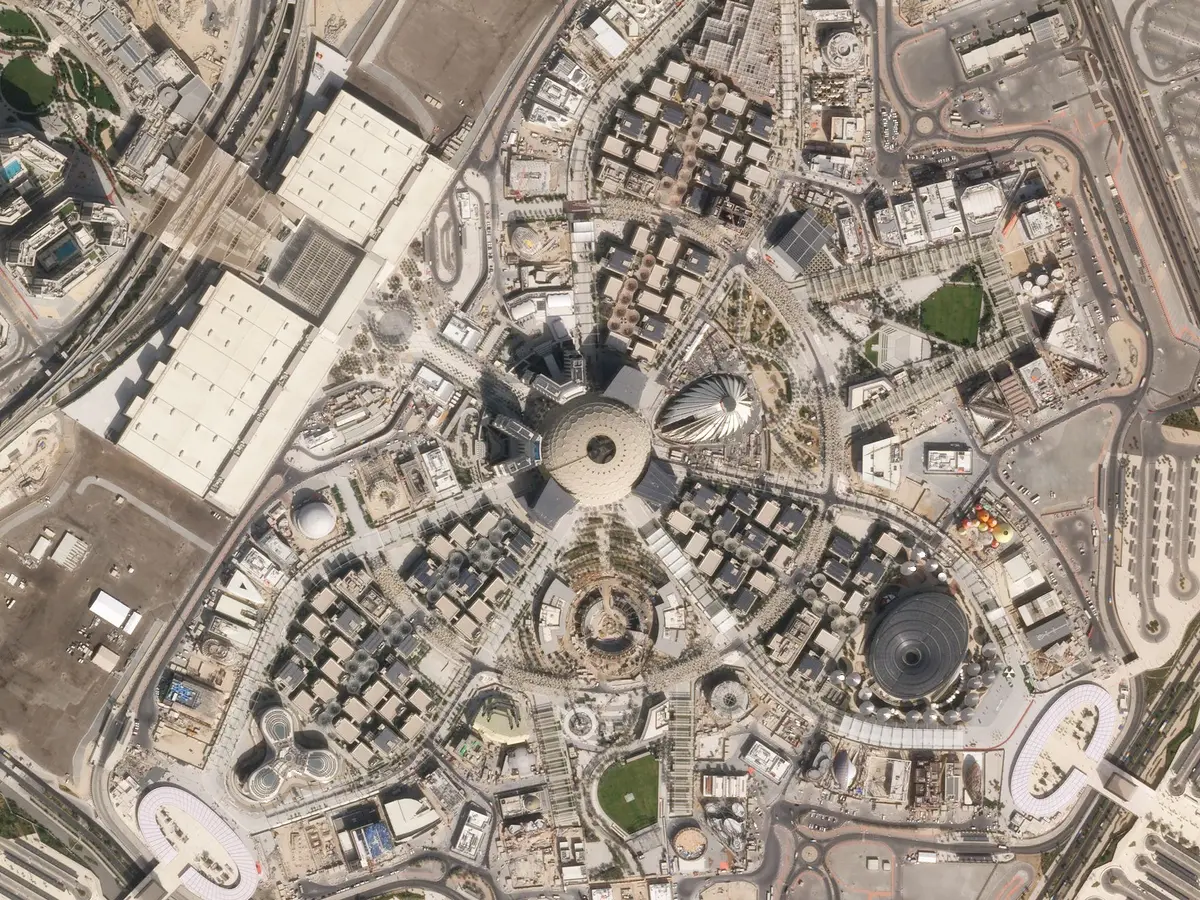
Commercial imagery restrictions reduce independent damage assessment during active strikes, forcing defense contractors and allied planners to rely on classified intelligence or military claims. This narrows the information asymmetry that private firms and smaller allies normally exploit for targeting and logistics planning.
Commercial imagery providers are now actively withholding intelligence during an active state-on-state conflict.
This creates a gap in non-classified targeting intelligence available to private defense contractors, allied militaries, and market participants tracking damage assessment and Iranian retaliation readiness. If restrictions cover real-time feeds, they block independent verification of strike effectiveness — forcing reliance on military claims and satellite imagery from competitors (Maxar, Blacksky).
If restrictions are selective (covering only certain facilities or regions), they signal US government pressure on commercial providers to deny intelligence to specific actors, which sets precedent for future export control expansion into the commercial space sector.
The timing — during active Parchin strikes and Hormuz shipping attacks — suggests restrictions target damage assessment and blockade monitoring rather than pre-strike intelligence.
The article does not specify: (1) whether restrictions apply to real-time or archived imagery; (2) which geographic areas or facilities are covered; (3) whether this reflects Planet Labs' own policy or US government directive; (4) how long restrictions will remain in effect; (5) whether other commer...
Fault Lines
Strategic intelligence, synthesized daily — with a public track record. Every call graded against what actually happened.