Netherlands Commits to Two CCAs; First Allied Purchase Accelerates Drone Proliferation
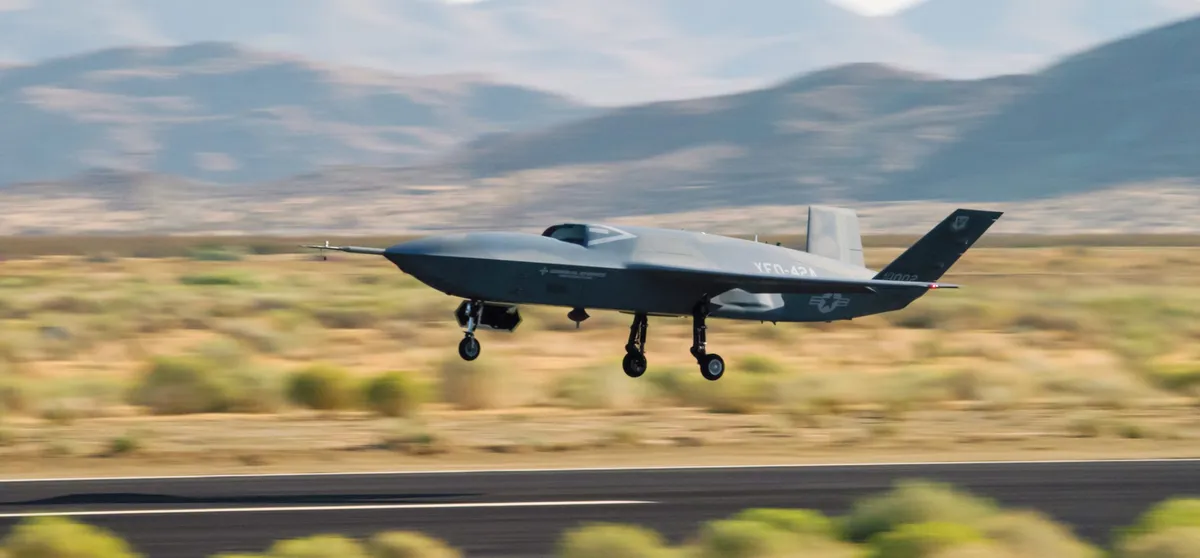
CCA proliferation to allied air forces compresses the timeline for contested airspace doctrine across NATO. If the Netherlands receives operational CCAs by 2029-2030, European air commanders will need tactics and training infrastructure before then — which means NATO's joint force integration planning now has a hard deadline.
This also creates an industrial dependency: Northrop Grumman's CCA production line becomes a single point of failure for allied air power in a scenario where Russia moves on the Baltics or NATO reinforces Poland. The Netherlands' early commitment signals that allied procurement planners are pricing in a near-term conflict scenario, not a distant one.
This is the CCA program's first foreign customer lock-in, and it arrives at a critical moment.
The Netherlands' commitment signals allied confidence in the platform and creates political momentum for additional buys — NATO partners watching burden-sharing metrics will face pressure to follow.
But the timing is loaded: the CCA is entering production while the Middle East is actively hot, three carrier strike groups are operating under shoot-on-sight rules, and allied air forces are reassessing their readiness posture. A drone platform designed for contested environments is now being fielded into a geopolitical climate where contested environments are the baseline, not the exception.
The question is whether the CCA's development timeline can keep pace with the operational demand signal now being generated by the current threat environment.
What is the actual delivery timeline for the Netherlands' two airframes, and does it align with NATO's broader air defense modernization schedule for Europe — or is the Dutch purchase outpacing the industrial base's capacity to deliver?
Fault Lines
Strategic intelligence, synthesized daily — with a public track record. Every call graded against what actually happened.