Pentagon Names 14 'Critical' Munitions for 2027 Acceleration; Comptroller Threatens Contractor Penalties
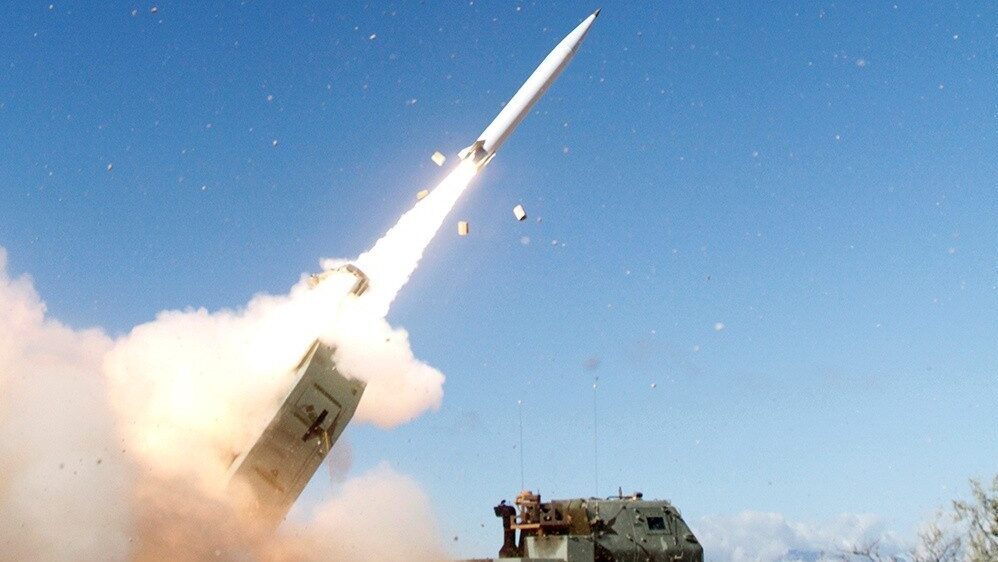
Hurst's penalty framework directly feeds into the FY27 $1.5T budget request Trump announced on April 21. If the Pentagon can force contractor compliance on production ramps, the 42% defense spending increase actually translates into delivered munitions rather than absorbed cost growth.
This is a prerequisite for sustaining the Hormuz blockade and the 30-nation Hormuz reopening plan—without guaranteed munition supplies, the Navy's enforcement posture becomes a bluff. Conversely, if primes absorb penalties rather than meet ramps, the $1.5T budget becomes a transfer to contractor balance sheets, not warfighting capacity.
This is a procurement discipline play, not a capability announcement.
Hurst is weaponizing the comptroller's authority to force production timelines on primes—a direct response to the chronic delays and cost growth that have plagued LRIP programs. The threat of penalties is real only if DoD actually withholds payment or reduces future awards, which means this matters only if the building follows through.
The 14 munitions list itself is the missing piece: without knowing which systems are on it, we can't assess which primes face the tightest squeeze or which production lines are being bet on for the 2027 budget cycle. If air defense rounds (Patriot, HIMARS, Tomahawk) dominate the list, this accelerates allied procurement timelines and tightens Raytheon and Lockheed's sustainment contracts.
If it's niche munitions, the signal is narrower—internal discipline, not industrial base restructuring.
Which 14 munitions made the list? The article cites Hurst's enforcement posture but not the actual systems. This is a critical omission—the list determines whether this is a broad-based production surge or a targeted fix for a handful of bottlenecks.
Fault Lines
Strategic intelligence, synthesized daily — with a public track record. Every call graded against what actually happened.