Vulcan delays national security missions after flight issues
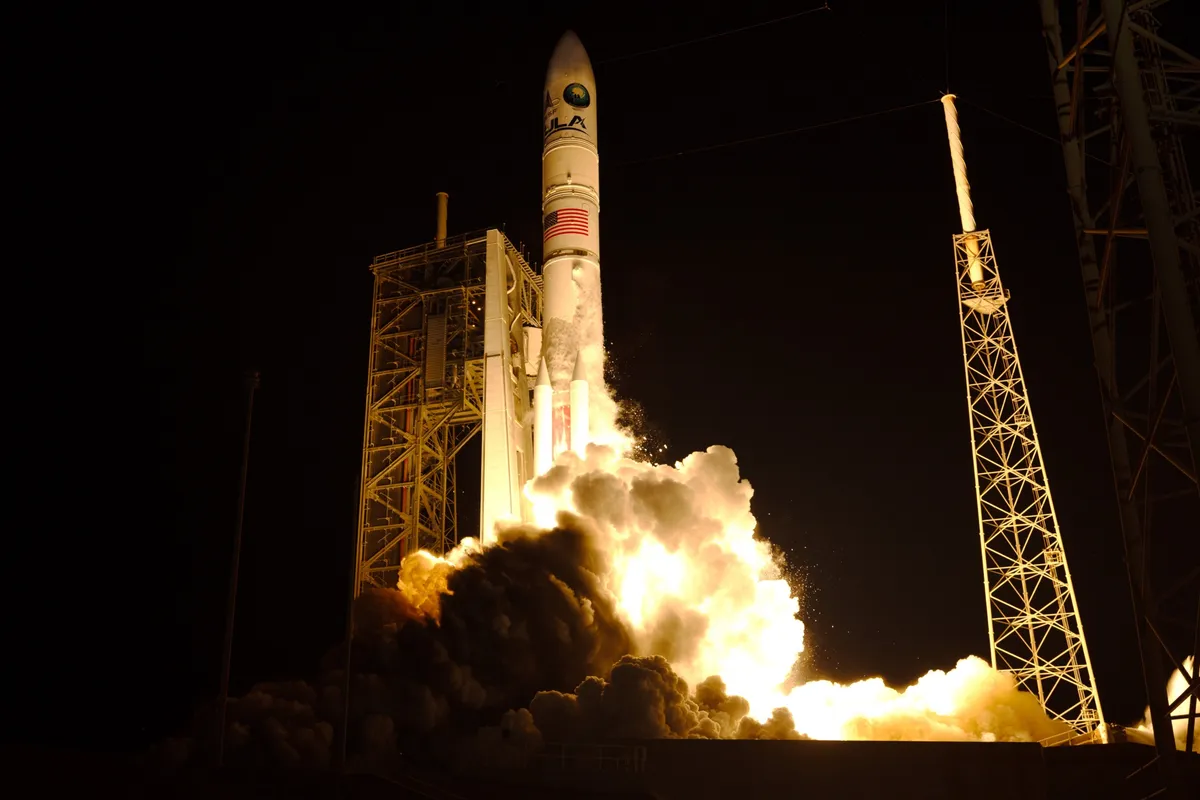
This is primarily a Power Projection story with a secondary Market Forces element. Vulcan's delay directly affects the DoD's ability to launch reconnaissance and early-warning satellites on schedule — a core element of space-based intelligence and deterrence.
The certification hold creates a near-term supply constraint: NRO and NGA cannot shift payloads to other providers without significant delay, and the remaining Atlas V fleet is finite. This forces prioritization of launch slots and may compress the national security launch schedule.
Vulcan is critical to U.S. national security launch cadence — it's the primary replacement for Atlas V in the Evolved Expendable Launch Vehicle (EELV) program and carries classified payloads for NRO and other intelligence agencies.
Any delay in certification for national security missions directly impacts the DoD/NRO launch schedule and creates a near-term dependency on remaining Atlas V flights and foreign alternatives. The article does not specify the nature of the issues, so the duration of the hold is unknown. If the review uncovers structural problems, it could extend the certification delay by months; if it's a minor anomaly, weeks.
ULA's revenue and backlog are exposed during the review period.
The article does not describe what specific flight issues occurred on Vulcan, how long the certification review will take, or whether the hold affects only national security payloads or all future Vulcan missions.
Fault Lines
Strategic intelligence, synthesized daily — with a public track record. Every call graded against what actually happened.