SOCOM Cuts Skyraider Orders, Pivots to 100 Small Drone Swarms for MQ-9 Integration
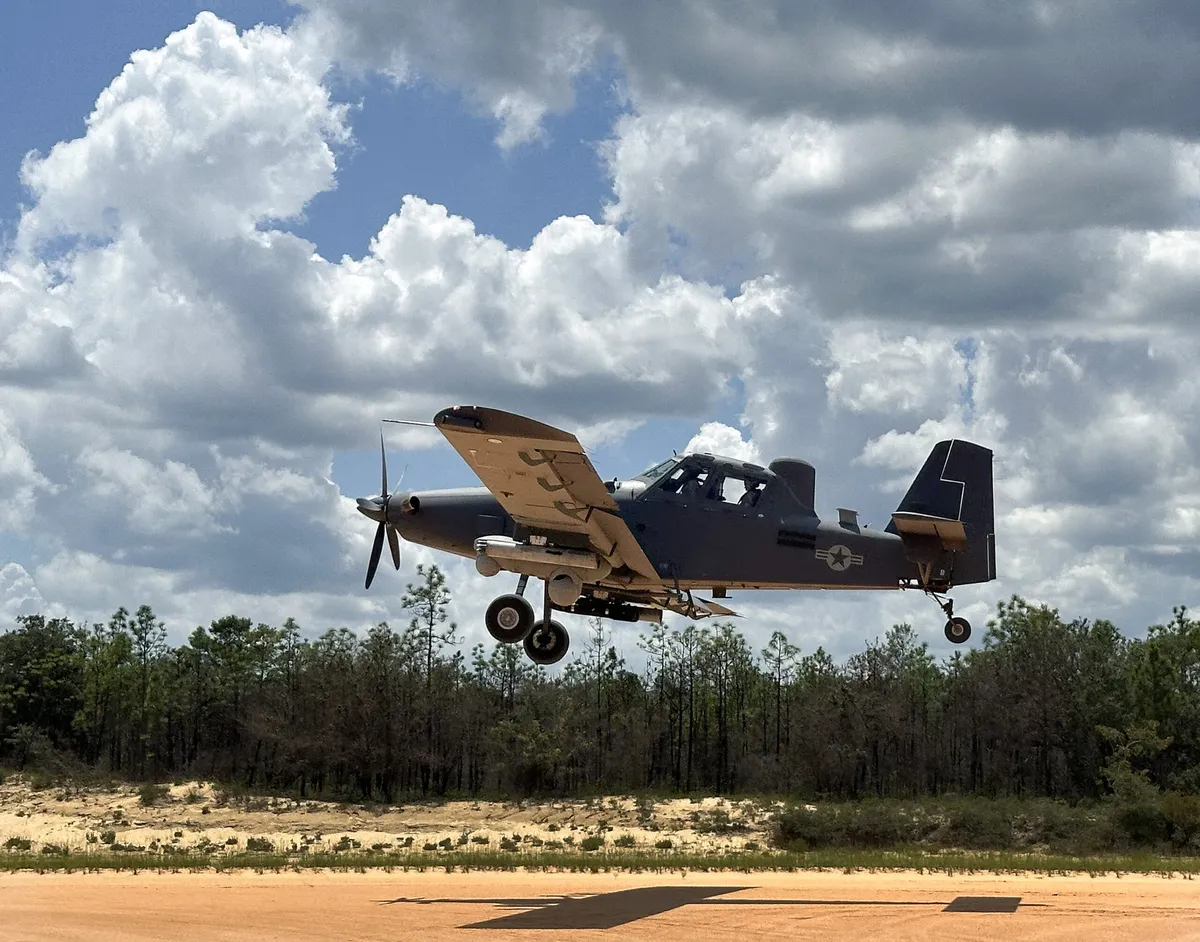
The shift from manned to autonomous systems accelerates the small-UAS industrial base at the expense of legacy close-air-support primes.
If SOCOM's FY27 request includes a formal production contract, it will set the specification for allied small-drone procurement — meaning the winner of this contract effectively becomes the de facto NATO standard, influencing NATO's own small-UAS roadmap and forcing European manufacturers (Airbus, Leonardo) to either partner or concede the market.
Simultaneously, the MQ-9 integration requirement keeps General Atomics' Reaper ecosystem as the backbone of distributed operations, which protects GA's sustainment revenue even as the manned Skyraider line contracts.
This is a demand-side signal that SOCOM sees manned loiter capability as increasingly redundant relative to autonomous swarming.
The Skyraider prime (Textron) loses a committed customer; more immediately, the small-drone requirement creates a new procurement line that General Atomics, Insitu, or smaller autonomy shops will compete for.
The 100-unit quantity matters: that's enough to establish a production baseline and drive down unit cost, which then cascades into allied procurement decisions — watch for Australia, Japan, and UK special ops to follow with similar orders. SOCOM doesn't move procurement without doctrine already in the field; if they're budgeting for swarms, they've already tested the integration.
The real question is whether this reflects genuine tactical advantage or budget pressure to cut a visible line item.
Has SOCOM already fielded and validated the small-drone-to-MQ-9 integration in a real contingency, or is this a doctrinal bet placed before the capability is proven in combat?
Fault Lines
Strategic intelligence, synthesized daily — with a public track record. Every call graded against what actually happened.