Iran Strikes on Qatar LNG Cut Europe's Russian Gas Escape Route; Crude Tops $120
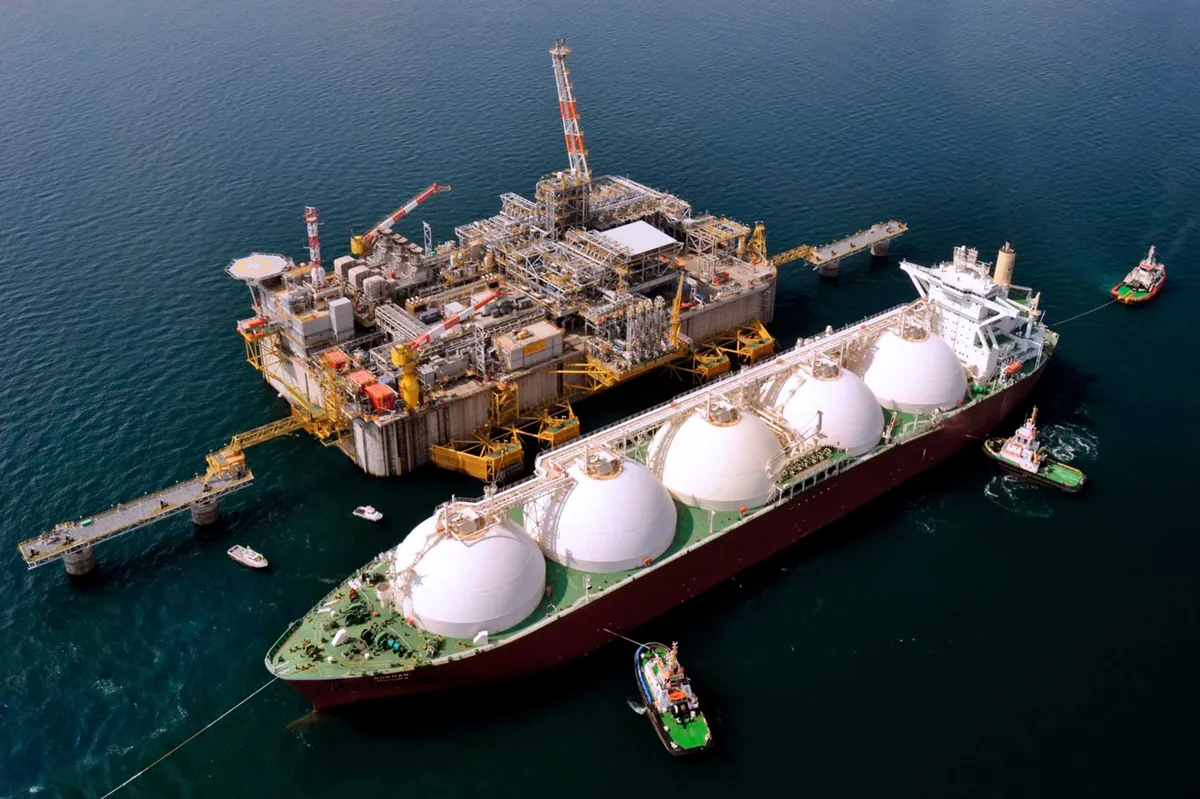
The Iran blockade (already raising crude to $120/bbl) now compounds with LNG supply loss, forcing European energy policy into a two-front squeeze: higher fossil fuel costs AND reduced alternative supply.
This shifts Europe's leverage calculus in any US-led coalition against Russia — energy insecurity at home makes extended sanctions on Russian oil politically unsustainable, handing Moscow a de facto veto over European alignment on Ukraine and NATO industrial policy.
Europe faces a compressed energy crisis.
It cannot replace Russian pipeline gas with Qatari LNG if Qatar's export terminals are degraded — and it cannot source alternative crude at scale while the Hormuz blockade persists and oil prices spike. This collapses the assumption underpinning European energy strategy: that market-based LNG could be substituted for sanctioned Russian supply.
Russia retains leverage precisely because Iran's conflict with the US has made alternative suppliers unreliable. If Qatar's capacity remains degraded beyond Q3 2026, European industrial demand will face rationing or forced reliance on Russian supply at inflated prices — a negotiating victory for Moscow that the Trump administration's Iran blockade inadvertently enables.
Has Iran explicitly targeted Qatar's LNG terminals as a proxy strike against US allies, or are these strikes incidental damage from broader Hormuz operations? If deliberate, does Tehran understand it's strengthening Russia's hand in Europe?
Fault Lines
Strategic intelligence, synthesized daily — with a public track record. Every call graded against what actually happened.