Putin Replaces Aerospace Commander With Sanctioned General Amid 1,600 Weekly Drone Surge
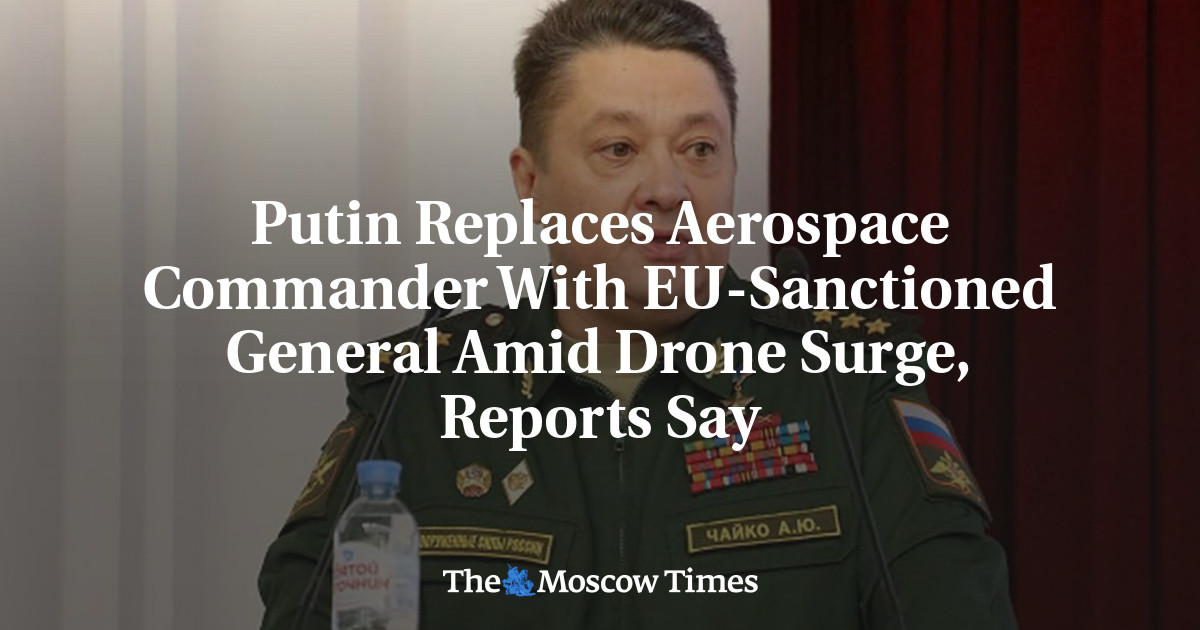
If this turnover reflects Moscow's acceptance that weekly drone production (1,600 units) is now the operational baseline rather than a temporary surge, it constrains Russian force design and extends the timeline for any manned aviation rebuild.
This directly affects NATO's air defense procurement timelines — if Russian air threats remain drone-dominated for 18+ months, allied air defense modernization can deprioritize high-altitude interceptors in favor of mid-range systems, freeing capital for other capability gaps.
Conversely, if Chaiko's appointment signals a pivot toward coordinated manned-unmanned operations, NATO air defense requirements shift again, forcing repricing of Patriot and SHORAD sustainment contracts.
Command turnover in a theater sustaining 1,600 weekly drone sorties signals either operational failure or structural reorganization — the timing matters enormously.
If Afzalov was removed for inability to sustain attrition rates or manage drone logistics, this suggests Russian air operations are straining command capacity. If Chaiko's appointment reflects a shift to a commander with different operational doctrine (e.g., heavier reliance on unmanned platforms), it could indicate Moscow is locking in a drone-centric campaign rather than attempting to rebuild manned aviation.
The EU sanction designation on Chaiko is secondary — what matters is whether his appointment reflects tactical adjustment or admission that current drone intensity is the ceiling of sustainable operations. Watch for changes in targeting patterns or drone loss rates in the weeks following the handover.
Did Afzalov request reassignment, or was he removed? The difference determines whether this is a rotation or a relief — and whether Russian command sees current drone operations as sustainable or unsustainable.
Fault Lines
Strategic intelligence, synthesized daily — with a public track record. Every call graded against what actually happened.