Russian Navigation System Found in Iranian Drone That Hit RAF Cyprus Base
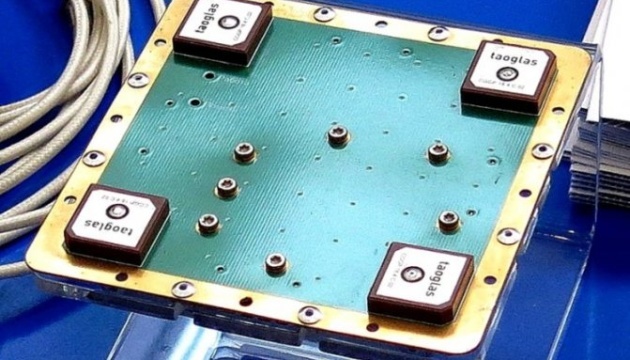
Russian component integration into Iranian strike systems converts Moscow's role from passive observer to active co-belligerent in the US-Israel-Iran war, without requiring direct Russian military action.
This justifies UK/NATO escalation of counter-drone air defense spending and accelerates European procurement of systems like Iris-T and Patriot — directly competing with Russian air defense exports and signaling NATO's decision to treat the Middle East conflict as a proxy arena for great-power competition.
Simultaneously, it creates a casus belli for US sanctions on Russian defense firms, which could fragment the Russia-China-Iran alignment if Moscow's supply chain becomes too costly.
This confirms direct Russian material support to Iranian offensive operations mid-conflict, not merely post-hoc arms sales.
If the navigation system enables precision targeting (vs. area attacks), it upgrades Iranian drone lethality against NATO infrastructure. The UK now has evidence of Russian involvement in a direct attack on a British military facility, which creates pressure for London to escalate its own response and potentially triggers NATO Article 5 consultation or expanded sanctions on Russian defense exports.
Watch whether the US and UK formally attribute this to Moscow and whether it triggers coordinated sanctions on Russian navigation/guidance suppliers.
The article does not specify which Russian manufacturer supplied the component, what type of navigation system it is (inertial, GNSS, terrain-referenced), whether this is a single instance or systemic integration, or how the component entered Iran's supply chain — through third-country intermediarie...
Fault Lines
Strategic intelligence, synthesized daily — with a public track record. Every call graded against what actually happened.