Final A-10 Depot Closure Ends 40-Year Overhaul Pipeline, Accelerates CAS Transition
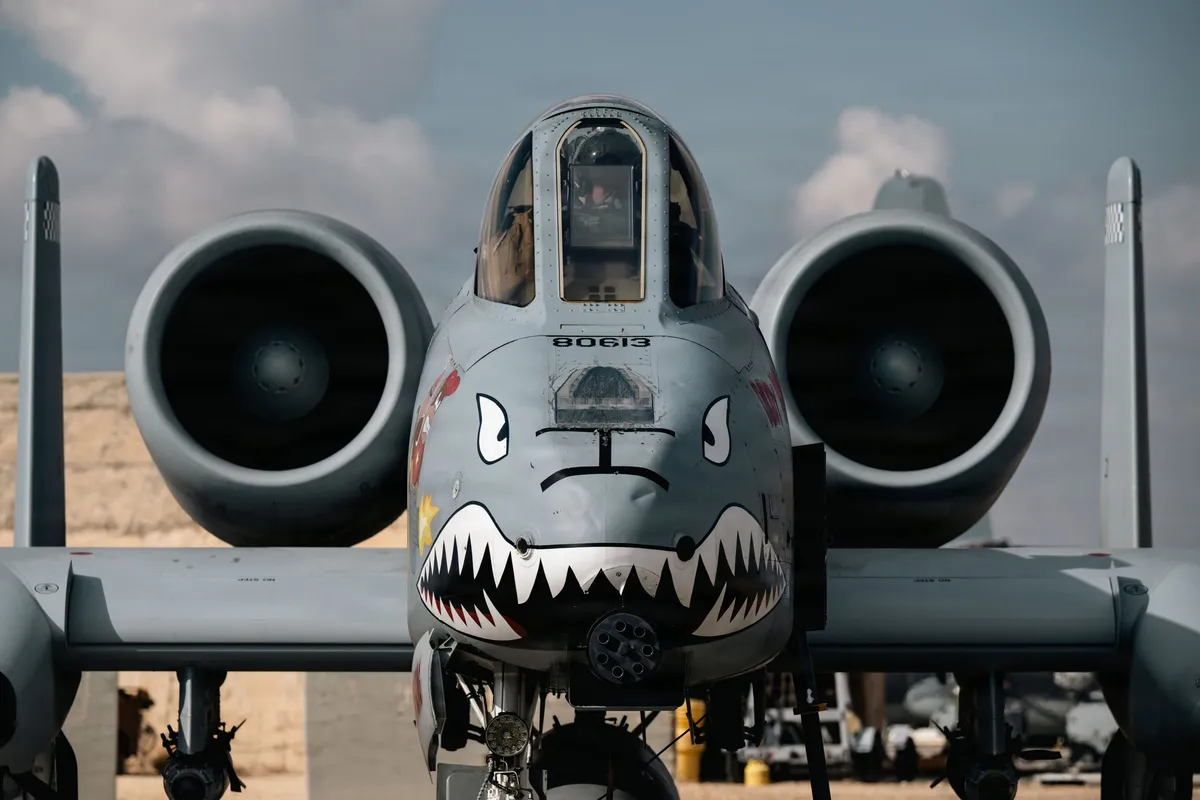
Depot closure eliminates the technical and logistical anchor that has enabled A-10 fleet persistence across multiple COCOM theaters.
Allied air forces (Poland, Romania, Greece, South Korea) operating A-10s now face a sustainment bottleneck: without U.S. organic depot support, they must negotiate contractor depot access or accept accelerated retirement timelines, which shifts demand toward F-35 procurement and narrows the operational window for interoperable CAS platforms in NATO Eastern Flank and Indo-Pacific contingency planning.
This forces procurement decisions forward in allied capitals and reduces the A-10's role as a low-cost, high-persistence platform in contested environments where F-35 availability may be constrained.
This closes the last institutional pathway for A-10 fleet restoration and major component refresh.
Operators and sustainment contractors lose access to organic Air Force depot capacity for the platform, forcing a transition to contractor-managed sustainment or accelerated retirement of airframes.
The timing matters: if remaining A-10s have 5-10 years of operational life remaining but no depot overhaul option, units must either accept degraded readiness or fund expensive private-sector depot work (likely through Ogden Air Logistics Complex or similar).
This compresses the window for any A-10 life-extension programs and locks in the timeline for F-35 and other CAS platform substitution in allied air forces relying on A-10 interoperability.
The article does not specify (1) how many A-10s remain in active inventory or reserve status, (2) what alternative sustainment pathways exist (contractor depots, foreign military sales depots, or phased retirement schedules), (3) whether this closure was planned as part of a broader CAS transition r...
Fault Lines
Strategic intelligence, synthesized daily — with a public track record. Every call graded against what actually happened.