France's Naval Group Wins Swedish Frigate Contract Over Babcock Bid
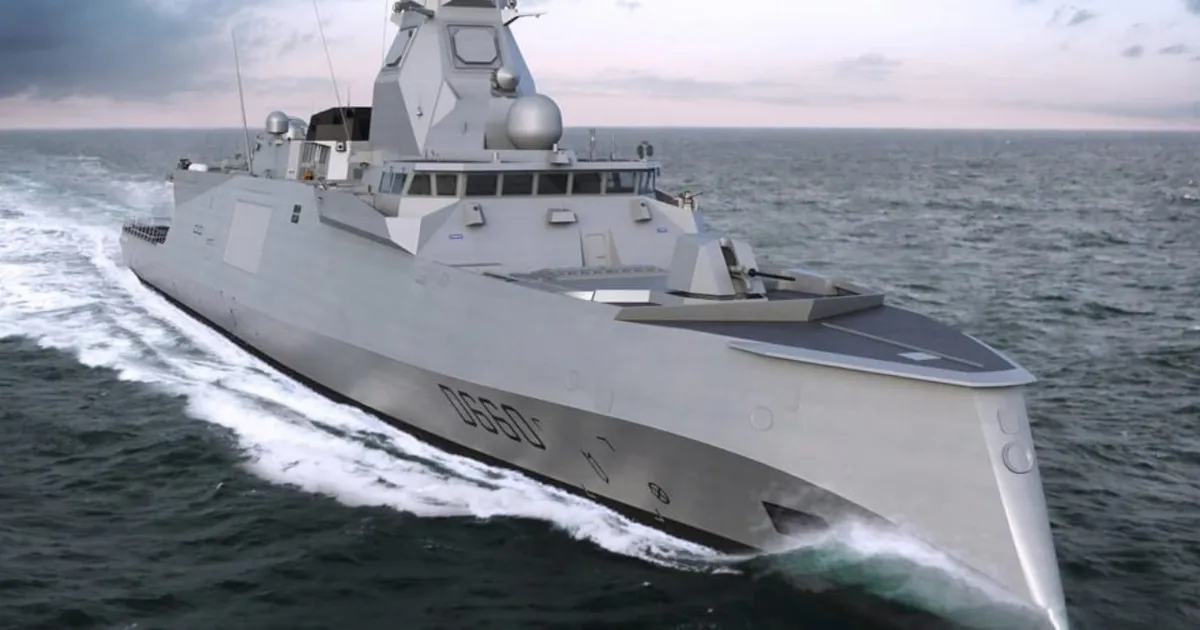
France's Naval Group now owns the Luleå production line and the technical baseline for Nordic frigate design. If subsequent Scandinavian nations adopt the same platform or derivatives, France locks in regional design authority and sustainment revenue for 20+ years — exactly the industrial consolidation that AUKUS and UK defense strategy are supposed to prevent.
Babcock's loss here is less about this single contract than about the signal it sends to other European allies weighing French versus UK naval platforms.
This is a direct loss of industrial work to a European competitor in a strategically aligned nation.
Babcock's exclusion signals that Swedish procurement decisions are not defaulting to Anglo-American vendors — a pattern that matters if it spreads to other Nordic/Baltic naval modernization programs.
The Luleå contract represents estimated €2-3B in total program value over the production run; losing it means Babcock's frigate division has no new major platform work in the near term, forcing either workforce reduction or reallocation to support roles on existing programs.
Watch whether Norway, Finland, or Poland — all currently modernizing frigate fleets — cite this decision as precedent when they evaluate their own procurement timelines (expected FY27-28).
What was the stated rationale for Sweden's selection? Cost, schedule, interoperability with existing Nordic assets, or industrial partnership terms? Did Babcock's bid include UK government export controls language that made it less attractive?
Fault Lines
Strategic intelligence, synthesized daily — with a public track record. Every call graded against what actually happened.