A-10 and bunker-busters deployed in Hormuz strikes; sustainment logistics test under combat load
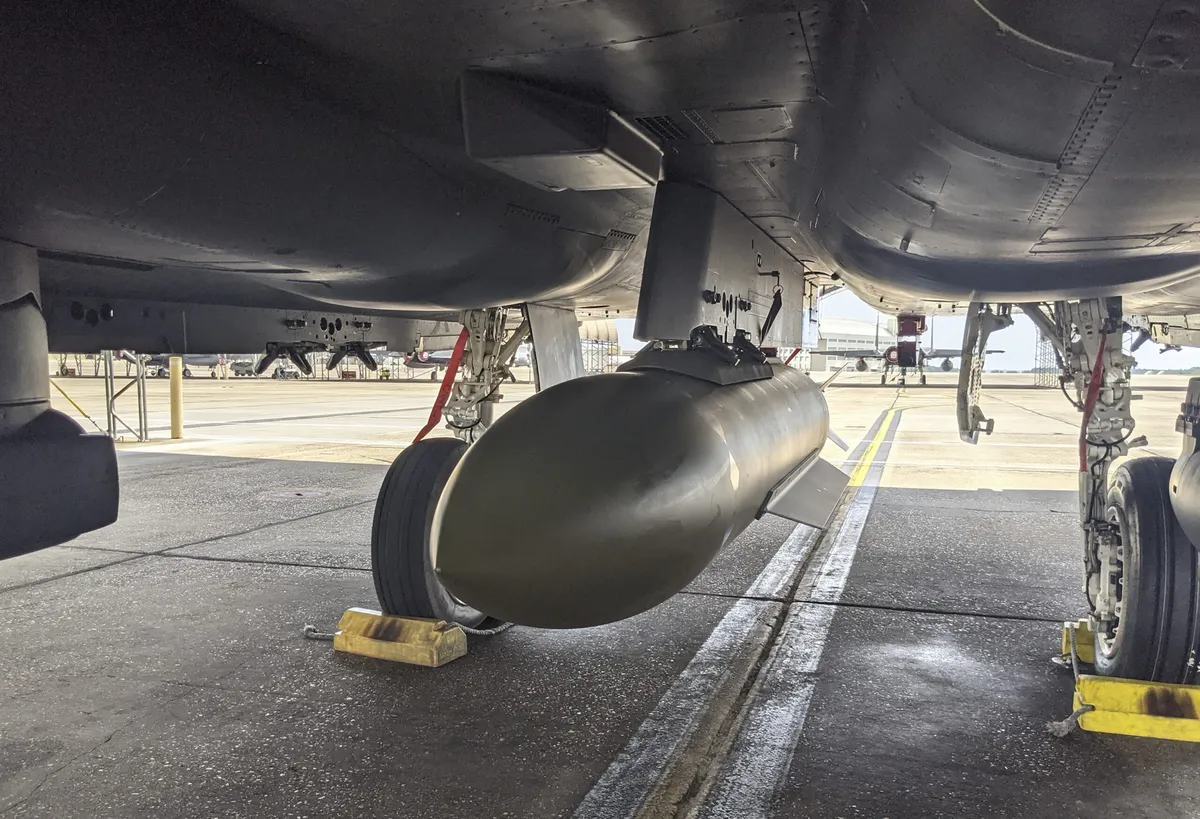
A-10 deployment in sustained Hormuz operations consumes depot maintenance capacity and spares inventory at a rate that may delay scheduled overhauls for Pacific Command units, forcing a trade-off between Middle East surge and Indo-Pacific readiness posture.
Bunker-buster employment against hardened targets suggests Iran's coastal defenses remain intact enough to require kinetic penetration — if Iran's air defense network survives this campaign phase, follow-on strikes will require either higher-yield ordnance or deeper penetration tactics, both of which increase sortie cost and extend logistics timelines.
The A-10's deployment in an active strike campaign signals confidence in legacy platform availability and readiness, but creates a sustainment risk if attrition or maintenance demands exceed depot capacity during sustained operations.
Bunker-busting ordnance use indicates targeting of hardened Iranian facilities — likely coastal air defense, naval assets, or oil infrastructure — but without damage data, the tactical effectiveness and remaining target set remain opaque. For program managers: A-10 flying hours and depot throughput become decision variables if this campaign extends beyond 30 days.
For investors in defense primes: this confirms sustained combat operations are consuming ordnance stocks faster than peacetime production rates.
The article does not specify: (1) which bunker-buster variant (GBU-28, GBU-37, or other); (2) sortie rate or total A-10 airframes deployed; (3) target categories or damage assessment; (4) whether sustainment is meeting demand or creating backlog; (5) whether this represents a shift away from precisi...
Fault Lines
Strategic intelligence, synthesized daily — with a public track record. Every call graded against what actually happened.