US Rescue Operation Recovers Second Downed Pilot; Iran Reports Five Killed in Raid
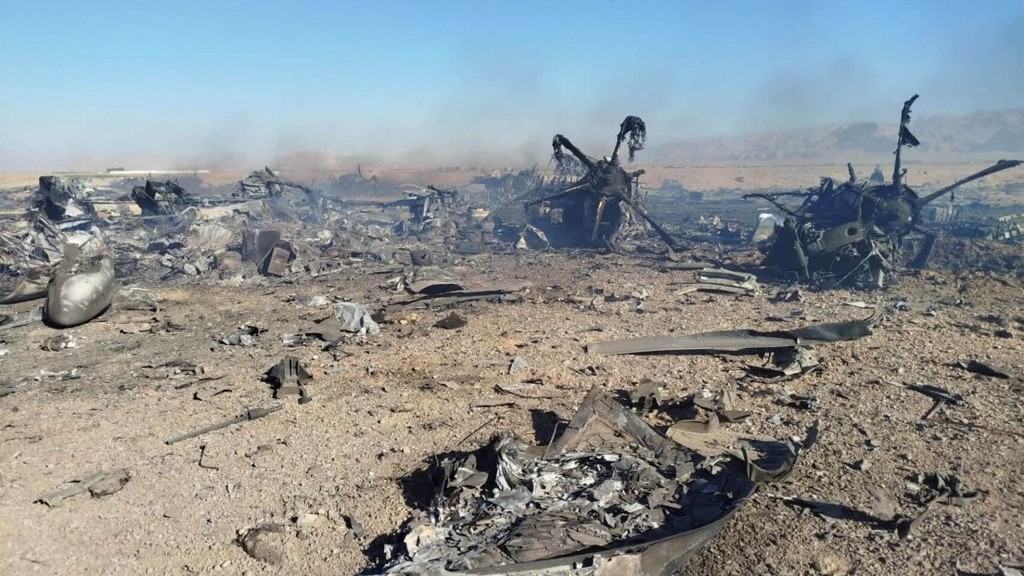
The successful rescue lowers the political cost of aircraft losses, which may sustain the air campaign longer than Iran's air defense attrition would otherwise allow. However, each rescue operation that requires armed support or air cover inside Iran increases the number of US personnel exposed to capture and creates a compounding demand for follow-on rescue missions — a dynamic that can force mission creep.
If Iran publicizes the five casualties as proof of US ground/air presence, it may accelerate calls within the US military and Congress for a negotiated pause, directly countering Trump's April 2 declaration that objectives are 'near completion.'
The successful recovery of the second pilot closes a critical vulnerability in the air campaign — a missing airman in hostile territory creates diplomatic and operational pressure for negotiated pauses or concessions.
However, the Iranian claim of five casualties during the rescue suggests the operation involved armed personnel or air support, expanding the footprint of direct US military action inside Iran beyond strike missions. This validates Iran's air defense capability to force costly American responses and raises the bar for sustained US air operations.
If the casualty figure is confirmed and publicized by Iran, it may trigger domestic pressure in the US for de-escalation or force Trump to justify continued losses.
The article does not specify the method of rescue (helicopter, fixed-wing extraction, ground team, or combination), the location of the operation within Iran, or whether the five Iranian casualties were military personnel or civilians.
Fault Lines
Strategic intelligence, synthesized daily — with a public track record. Every call graded against what actually happened.