Anduril, Kraken Partner on Small USV Production; US Domestic Manufacturing Replaces Foreign Supply
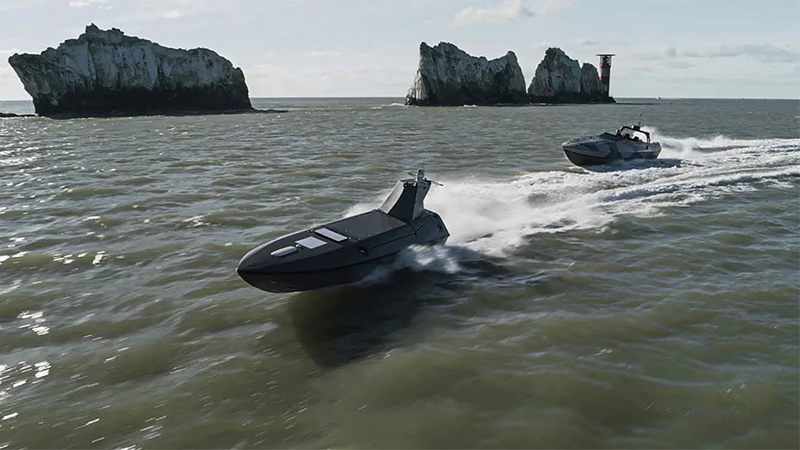
The Hormuz closure has already forced Japan to expand arms export eligibility (announced same day) and triggered rare earth supply shocks at Lynas in Australia. A domestic USV supply chain removes one more dependency on maritime transit through the strait — if small autonomous platforms can be built and armed in the US, they don't need to transit through Iranian-controlled waters to reach the Gulf.
This shifts the cost of blockade resistance from logistics to procurement timelines. If Anduril can deliver integrated systems within 18-24 months, the Navy gains a distributed surface asset that doesn't require carrier protection or traditional port infrastructure.
This is defensive positioning against supply chain risk in an active theater.
The Hormuz blockade (now in its fourth day with traffic at three vessels per 12 hours) has exposed how fast maritime chokepoints can cut off critical components — and small USVs are being operationalized in the Arabian Sea right now.
Anduril is moving manufacturing onshore before the Pentagon formally mandates it, which means they'll own the supply relationship when contracting officers start writing "domestic-only" language into RFPs. Kraken gets access to US defense budgets without the overhead of running a US factory.
The timing matters: this closes before the Hill starts asking why autonomous surface platforms are still being sourced from allied suppliers when the Gulf is actively contested.
Does Anduril's manufacturing setup include payload integration for naval mine countermeasures or electronic warfare, or is this limited to basic hull and propulsion?
Fault Lines
Strategic intelligence, synthesized daily — with a public track record. Every call graded against what actually happened.