Ukrainian drone strikes on Russian oil hit four-month peak; energy weapon strategy hardens
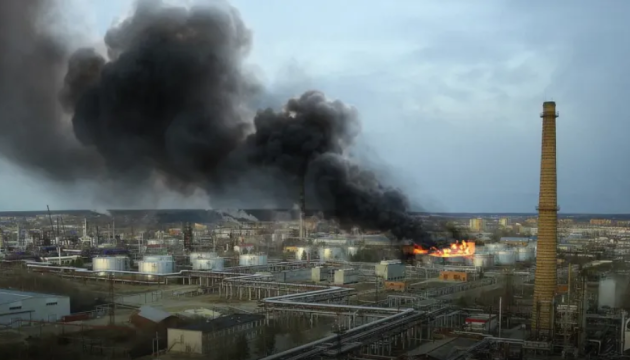
Ukraine's energy campaign and the US Iran blockade are now operating on parallel timelines with compounding effects on global crude supply. Russia's export capacity is shrinking from strikes; Iran's is strangled by naval interdiction. Together, they're removing ~2.5-3 million barrels per day from global supply (Iran pre-blockade ~2.8M bpd, Russia refining capacity hit at ~500K-1M bpd if strikes persist).
This sustained price elevation ($120+/bbl) locks in high defense procurement costs for NATO allies and extends the timeline for US strategic petroleum reserve refill — a fiscal drag on FY27 defense budgets already strained by the $25B Iran war tab.
Ukraine is systematizing energy attacks.
This isn't opportunistic strikes — it's a declared doctrine backed by execution. The timing matters: as Iran blockades the Strait of Hormuz and global crude hits $120/bbl, Ukraine is simultaneously shrinking Russian oil export capacity. Russia's refining and loading infrastructure is now a contested domain.
If the strike rate sustains at four-month highs, Russian export revenues compress further, reducing Moscow's ability to fund the war and forcing it to choose between domestic fuel availability and military logistics.
The Orsk refinery attack on April 29 signals Ukraine can reach deep into Russian territory; if similar targets (Tuapse, Novorossiysk export terminals) fall into the strike envelope, Russian crude loadings could drop by 20-30% — a secondary energy shock that amplifies the Iran blockade's market impact.
Are these strikes degrading Russian refining capacity measurably, or is the damage tactical and temporary? Bloomberg's 'four-month high' counts sorties, not barrels of capacity lost. Does Ukraine have targeting intelligence on which refineries are offline, or is it volume-based attrition?
Fault Lines
Strategic intelligence, synthesized daily — with a public track record. Every call graded against what actually happened.