SDA Cancels 11-Satellite LEO Comms Demo; Redirects Resources to Operational Constellation
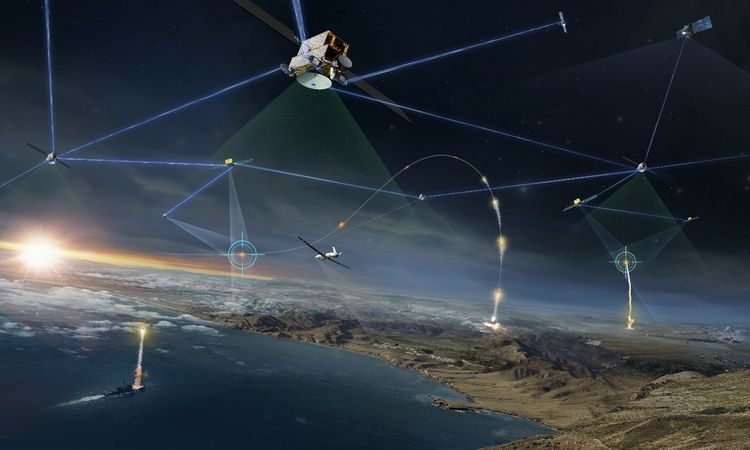
This reflects SDA's broader shift from experimental to operational posture — consistent with the June 25 Japan J-LEO selection signal and the Air Force's June 25 1,000-nautical-mile missile program announcement. Both move from R&D to fielding.
If SDA is confident enough in its design to skip validation, it likely means the constellation architecture has already been stress-tested in simulation or in earlier SDA demonstrations. The risk is concentrated: if the operational constellation fails to meet latency, throughput, or resilience specs in actual combat conditions, there's no experimental dataset to isolate the failure mode.
Watch whether INDOPACOM requests contingency funding for rapid constellation augmentation in the FY27 supplemental.
SDA is abandoning experimental validation in favor of accelerating fielded capability — a bet that the operational design is sound enough to skip the demo phase.
This compresses the timeline from prototype-to-production but increases technical risk if the constellation encounters unforeseen integration or performance issues in theater.
The 11-satellite cut frees budget and launch cadence for the primary constellation, but it also means SDA loses a low-cost opportunity to stress-test command-and-control architecture, inter-satellite links, and ground integration before committing billions to full deployment. If the operational constellation encounters a critical flaw after launch, there's no fallback dataset from the demo to diagnose it.
What was the original demo timeline, and how much did the 11 satellites cost? Did SDA encounter technical problems in the experimental design, or is this purely a resource/schedule trade-off?
Fault Lines
Strategic intelligence, synthesized daily — with a public track record. Every call graded against what actually happened.