Russian Klin Drone Runs on US Nvidia Chips, Australian Flight Controller Despite Sanctions
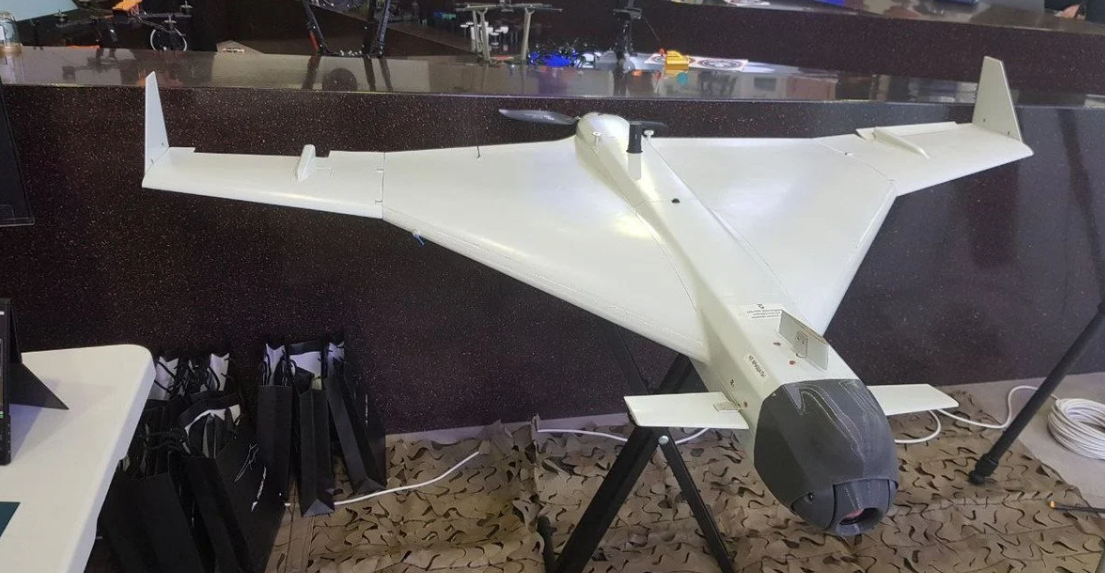
Russia's ability to field AI-enabled drones at scale (1,600 weekly) depends on access to US semiconductors that are nominally embargoed. If Klin relies on Nvidia chips obtained outside official channels, then export control enforcement is the binding variable — not technology availability.
Tightening Nvidia's own compliance procedures or designating specific reseller networks could force Russia to either pause Klin production or shift to lower-capability alternatives. This directly affects the Ukraine war's attrition math: degrading Russian drone supply chains reduces weekly sortie rates, which extends Ukrainian air defense consumables and improves ground force survivability.
This is a supply chain leak, not a capability surprise.
Russia is clearly obtaining sanctioned US semiconductors and Australian dual-use components through third-party procurement channels — the same networks that have kept its defense industrial base running since 2022. The fact that Klin uses Nvidia modules confirms what defense intelligence already knows: export controls are porous when adversaries have cash and logistics.
What matters operationally: if Klin is flying combat missions with these components (and the prior signal confirms Russia is deploying 1,600 drones weekly), then BIS export controls on Nvidia chips are not degrading Russian drone production at the rate the building assumed. This forces a reassessment of whether tighter Nvidia curbs — or Nvidia's own compliance posture — needs to tighten further.
For Nvidia and Australian suppliers, it's a regulatory liability signal: expect congressional scrutiny and possible secondary sanctions on whoever is diverting these components.
How many Klin units are in active service, and does Nvidia's own compliance monitoring detect these diversions, or are they flowing through third-country resellers that bypass Nvidia's end-use verification?
Fault Lines
Strategic intelligence, synthesized daily — with a public track record. Every call graded against what actually happened.