SMIC Supplied Chipmaking Tools to Iran Military; Training on Semiconductor Tech Alleged
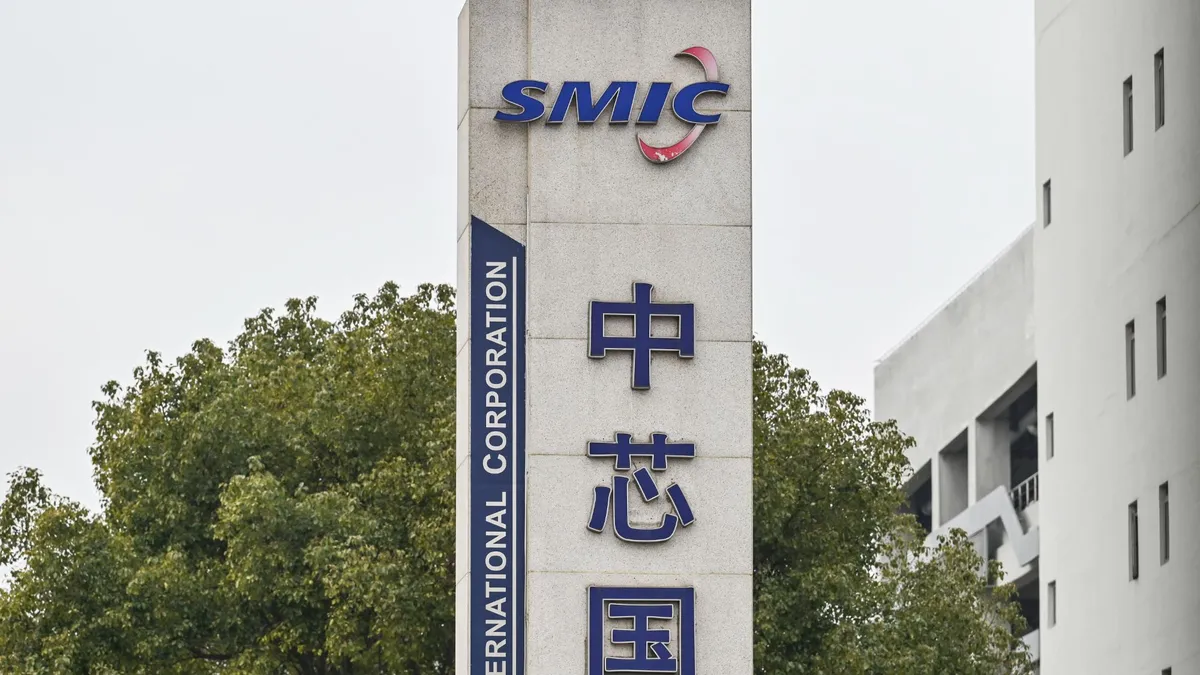
SMIC's technology transfer directly enables Iran's missile and drone production cycle currently underway — the four-day retaliation sequence (March 24-27) relied on ballistic and cruise missiles whose guidance and fuzing systems require semiconductors Iran cannot currently source from Western suppliers.
If Iran achieves indigenous chip fabrication, even at older nodes, it breaks the semiconductor chokepoint that has constrained Iranian strike system production rates and forces the US to shift export control strategy from component-level interdiction to manufacturing equipment controls on Chinese suppliers.
If confirmed, this represents a direct dual-use technology transfer into Iran's defense industrial base during an active conflict where Iran is conducting ballistic and cruise missile strikes against Israel and US forces.
The timing is critical: SMIC's involvement predates the current escalation cycle by approximately one year, suggesting Iran's military was building manufacturing capability in parallel to its missile and drone development.
For US defense planners, this implies Iran may be working toward indigenous production of semiconductors for guidance systems, communications, or electronic warfare — reducing dependence on smuggled components and increasing strike system reliability.
For semiconductor export control enforcement, it exposes a gap: SMIC is already subject to US restrictions, yet allegedly transferred tools and know-how to a sanctioned military customer. The claim requires verification of which SMIC subsidiary or affiliate was involved and whether the transfer violated US law or SMIC's own compliance obligations.
The article does not specify which SMIC division or subsidiary conducted the transfer, what equipment was sent, what the technical training covered, which Iranian military entity received it, or whether this transfer violated existing US sanctions or export control law.
Fault Lines
Strategic intelligence, synthesized daily — with a public track record. Every call graded against what actually happened.