US Strikes Iranian Strait Missile Sites with Bunker Busters; Hormuz Chokepoint Becomes Active Target
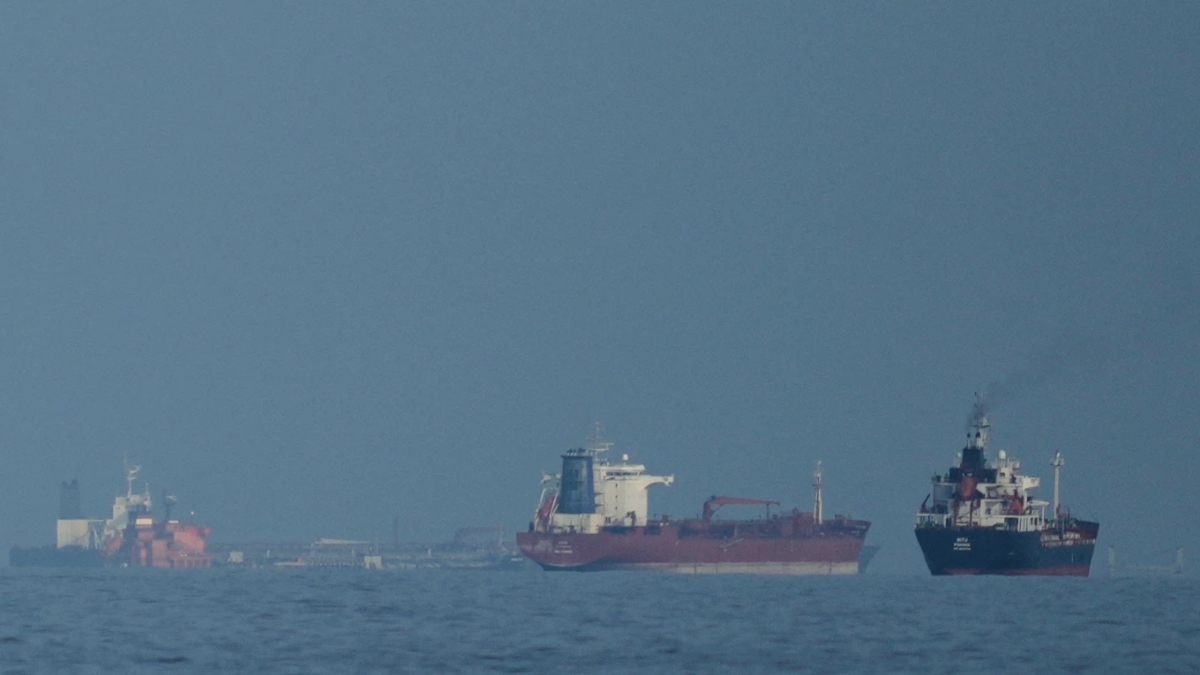
Strikes on Hormuz-controlling missile sites represent a shift from degrading Iranian energy capacity (South Pars, Kharg Island, Bushehr) to controlling the geographic chokepoint through which energy flows.
If US air dominance over the Strait is established, shipping insurers can price risk downward and tanker routing normalizes — reducing the energy supply shock and allowing markets to price based on actual Iranian export capacity rather than blockade risk.
Conversely, if Iran retains functional anti-ship systems, the US must either maintain continuous strike operations or accept that Iran's blockade is now a de facto feature of the conflict, converting the Strait closure into a long-term deterrence tool rather than a tactical outcome.
The Strait of Hormuz already faces a near-total blockade from Iranian action (99% transit collapse reported March 18).
US strikes on the missile sites defending that blockade suggest intent to restore transit rather than accept Iranian control of chokepoint pricing. If the US succeeds in neutralizing Iranian anti-ship capability, tanker insurance and routing costs could stabilize — but only if Iran lacks the redundant systems to re-target shipping.
If Iran retains distributed coastal defense, the US faces either sustained strike operations or acceptance of Iranian closure. Either path locks global oil markets into a war-premium pricing model for the duration of the conflict. Brent crude and shipping derivatives should reflect this binary: either US air superiority over the Strait or Iranian denial of it. No middle ground exists.
The article does not specify how many missile sites were targeted, their names or types, or whether the strikes achieved their intended effect. Without damage assessment, we cannot determine whether Iran's ability to enforce the blockade was degraded or merely delayed.
Fault Lines
Strategic intelligence, synthesized daily — with a public track record. Every call graded against what actually happened.