Rudd Orders MITRE Review of Cyber Command as Pentagon Pursues Structural Reforms
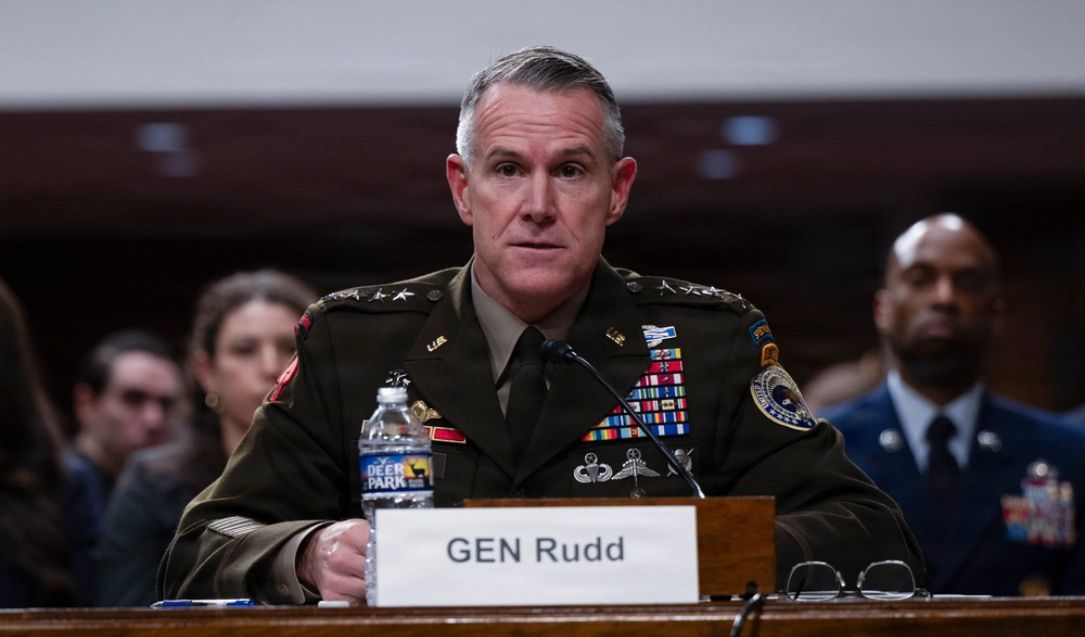
The timing matters: Rudd arrived in March, and by late May he's already contracted external review. That's fast. If the review identifies major structural problems — say, NSA's classification requirements bleeding into USCYBERCOM's operational tempo — the fix could require Congressional action on dual-hat authority.
Alternatively, if MITRE finds personnel misalignment or capability redundancy, Rudd could restructure internally, but that risks talent loss if NSA and USCYBERCOM personnel see themselves as competing rather than integrated. The real constraint is whether Rudd has enough political capital to push through changes that NSA leadership opposes.
Rudd's decision to bring in external consultants indicates dissatisfaction with Cyber Command's current operating model — likely around command integration, personnel allocation between NSA and USCYBERCOM functions, or capability gaps exposed by recent operations.
MITRE's scope will determine whether this becomes a narrow efficiency exercise or a fundamental restructuring that affects personnel assignments, budget authority, or operational command relationships between USCYBERCOM and NSA. Watch for the review's completion date and whether its findings trigger a formal reorganization proposal to Congress — that's when the constraint becomes real.
If MITRE recommends separating the dual-hat structure, Rudd will face resistance from the intelligence community and budget implications across both agencies.
What specific operational or organizational failures prompted Rudd to commission this review? The article doesn't explain the trigger — is this response to recent cyber incidents, workforce retention problems, or pre-planned modernization?
Fault Lines
Strategic intelligence, synthesized daily — with a public track record. Every call graded against what actually happened.