Iranian FM Pursues Moscow Talks as Trump Diplomacy Collapses; Putin Leverage Rises
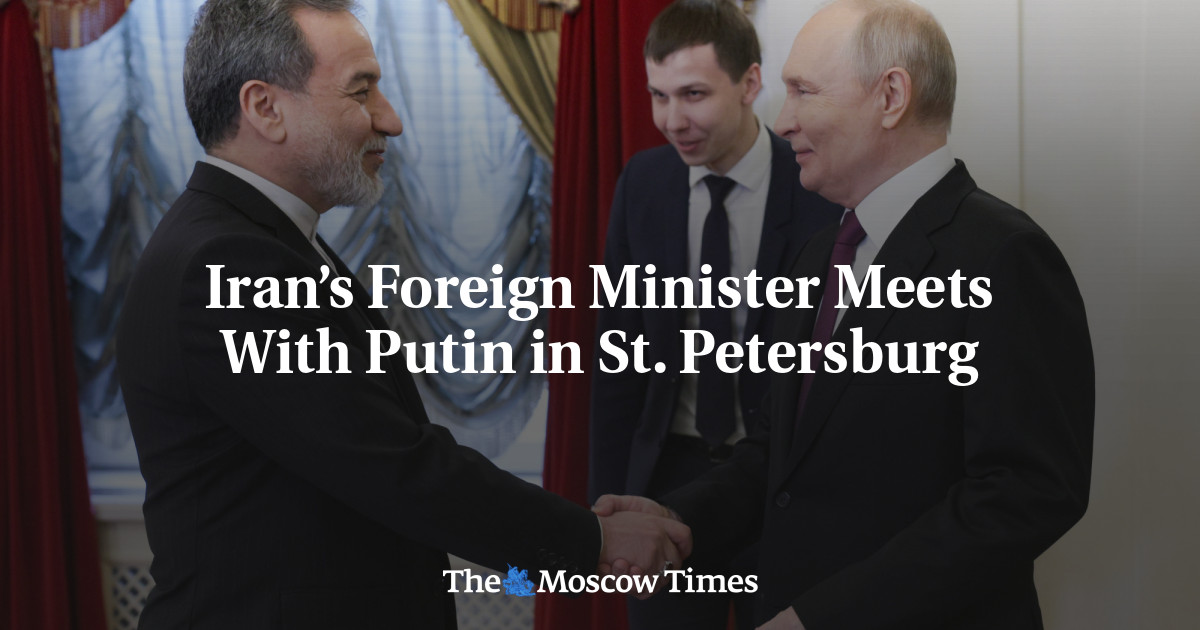
Russia's entry as primary mediator converts the Strait of Hormuz from a US enforcement zone into a negotiated settlement space — one where Moscow extracts concessions on Syria, NATO, or Ukraine as the price of Iranian restraint.
If Putin brokers a deal that includes Iranian commitments on Hormuz shipping, the three-carrier deployment becomes a sunk cost with no diplomatic dividend, and Congress will demand to know why DoD escalated while State Department was asleep.
Iran is pivoting to Moscow as the Trump administration abruptly exits active mediation.
This isn't symbolic — Araghchi's sequencing (Oman, Pakistan, now Russia) mirrors a deliberate escalation ladder away from US-brokered talks and toward a Russian-mediated settlement. Putin gains negotiating leverage on both Iran and the Gulf states, which now face a choice: accept Russian terms or watch Tehran weaponize its Hormuz leverage without US diplomatic off-ramps.
The timing is critical: with three US carrier strike groups in the Middle East and Hegseth's standing 'shoot and kill' order on Iranian mine-layers, a ceasefire negotiated in Moscow — not Washington — signals that the US military posture has decoupled from diplomatic strategy. That incoherence is the real risk.
What specifically is Putin offering Iran that the Trump administration wasn't? A sanctions relief pathway? Weapons? Explicit security guarantees? Without knowing the quid pro quo, we're reading tea leaves.
Fault Lines
Strategic intelligence, synthesized daily — with a public track record. Every call graded against what actually happened.