India Joins Pax Silica Supply Chain; U.S. Expands Semiconductor Talent & Rare Earth Access Outside China
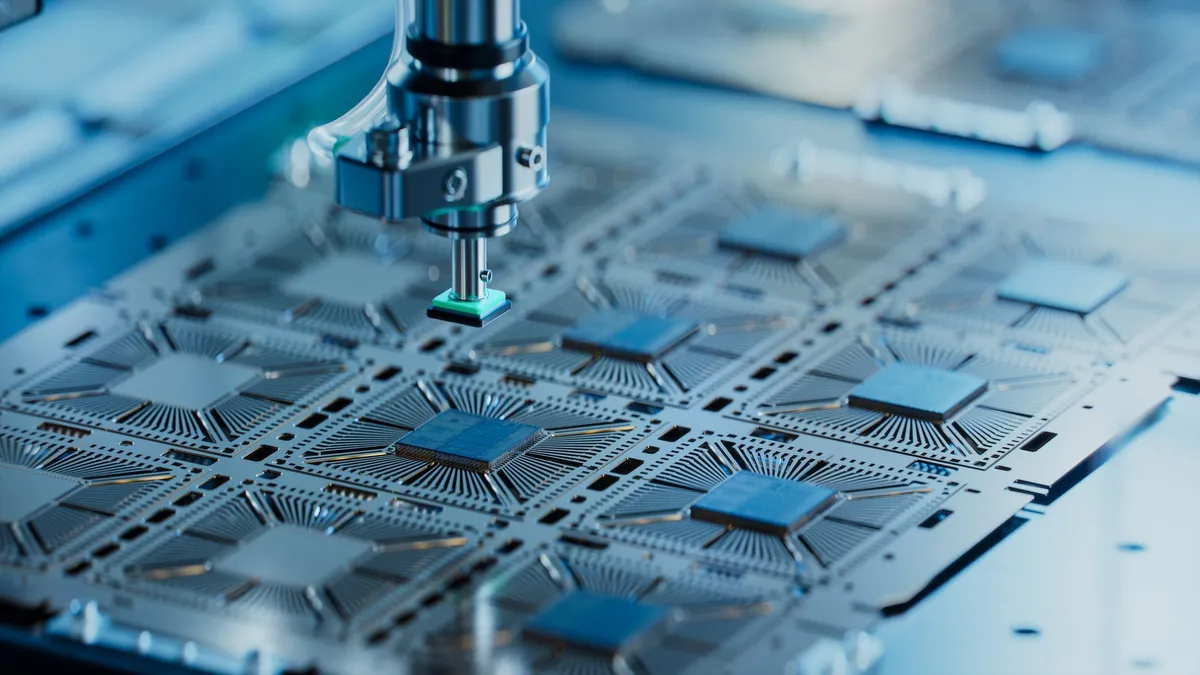
India's addition to Pax Silica forces U.S. chipmakers (Intel, Micron, AMD) to factor Indian fab timelines into supply chain hedging decisions—if Indian capacity comes online by 2028-29, it absorbs some TSMC/Samsung dependency, lowering the urgency of U.S. domestic capacity expansion and potentially reducing Defense Department pressure for nearshoring on critical nodes.
Conversely, if India's fabs slip, the U.S. will remain dependent on Taiwan and Korea for advanced nodes, keeping export controls (particularly on chipmaking tools to China) as the primary lever for deterrence—meaning Commerce/State coordination on tool restrictions becomes more consequential to Taiwan contingency planning.
India's inclusion expands the geographic footprint of allied semiconductor production, but the article provides no specifics on production targets, timeline, or capital commitment—critical to assessing whether this materializes into actual capacity or remains a framework agreement.
If India develops indigenous rare earth refining or advanced packaging capability, it reduces U.S. exposure to Chinese chokepoints in the 28-65 nm node supply chain. However, India's track record on fab completion (ISMC delays, SEMI data gaps) means execution risk is material.
The real constraint is whether India can build skilled workforce faster than China can tighten export controls on precursor materials—the article does not address this race.
The article does not specify: (1) which fabs are 'under development' or their node targets; (2) whether Pax Silica commits capital or is a coordination framework; (3) India's role in rare earth refining vs. downstream processing; (4) timeline to production; (5) whether this includes Indian governmen...
Fault Lines
Strategic intelligence, synthesized daily — with a public track record. Every call graded against what actually happened.