Boeing F-47 Sixth-Gen Fighter Maintains 2028 First Flight Target, 36 Months Post-Award
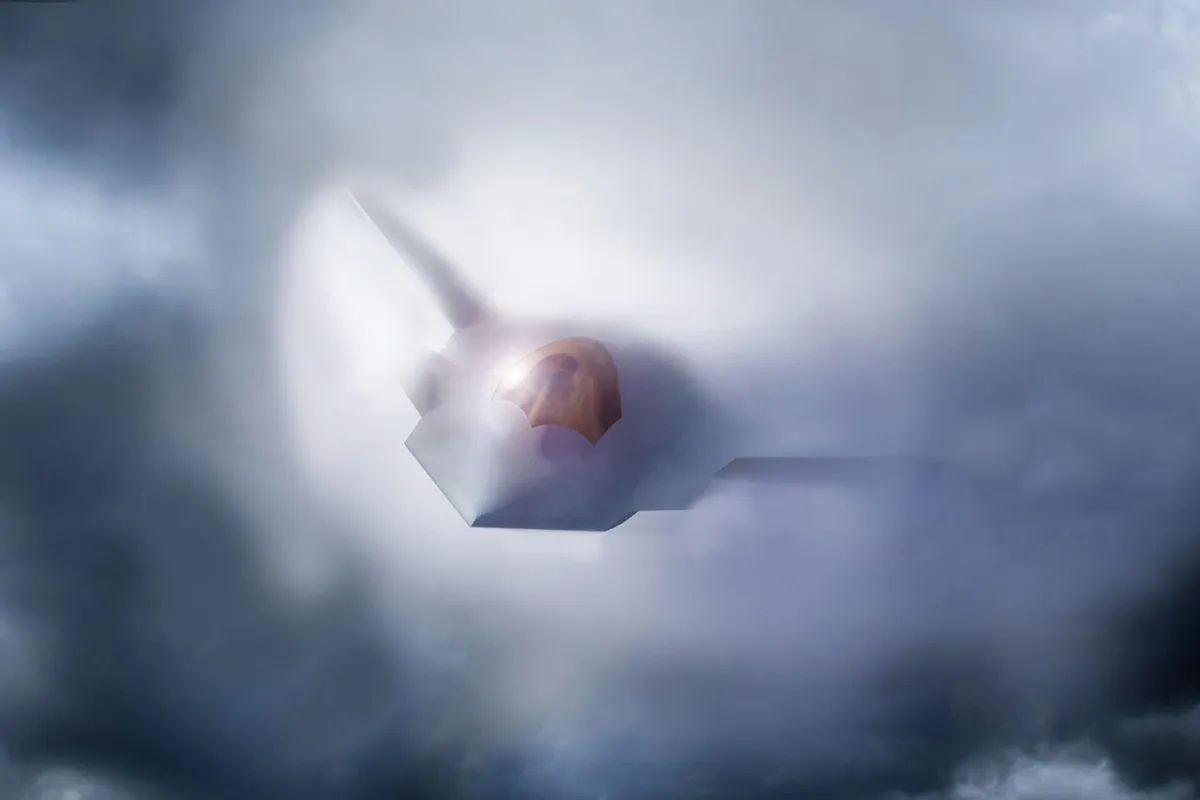
A 2028 first flight locks the Air Force into a specific operational availability target (likely 2032-2035 IOC), which in turn constrains allied fighter procurement timelines and force-structure planning.
If the F-47 slips to 2029-2030, allied air forces (Japan, South Korea, Australia) will extend F-35 sustainment contracts and delay their own sixth-gen investments, cascading into supplier capacity decisions for next-gen avionics and engines.
Conversely, if Boeing holds 2028, it validates the compressed acquisition model and increases pressure on the Next Generation Air Dominance (NGAD) naval variant and allied co-production negotiations.
The F-47 is the Air Force's primary air-superiority modernization vehicle; maintaining a 2028 first flight is critical to the service's claim that sixth-gen capability will be operationally relevant before 2035.
However, this statement is an official assertion of progress, not independent verification. The claim depends entirely on Boeing's execution across propulsion, avionics, and stealth integration—domains where sixth-gen programs historically slip.
If Boeing encounters supplier delays (particularly in advanced engines or composite manufacturing) or discovers integration issues in 2026-2027, the 2028 target will compress the test and evaluation phase, creating pressure to accelerate certification timelines or defer capability blocks.
For investors, this signals confidence in Boeing's program management but carries execution risk; for program managers, the window for design-to-production handoff is narrowing.
The article does not specify which subsystems or integration milestones have been completed, which remain critical path, or what schedule margin exists. It also does not address funding adequacy for FY27-28 or whether Congress has appropriated against this timeline.
Fault Lines
Strategic intelligence, synthesized daily — with a public track record. Every call graded against what actually happened.