USAF Deploys 11 Bombers to Europe; Pentagon Signals Sustained Iran Campaign into Week Two
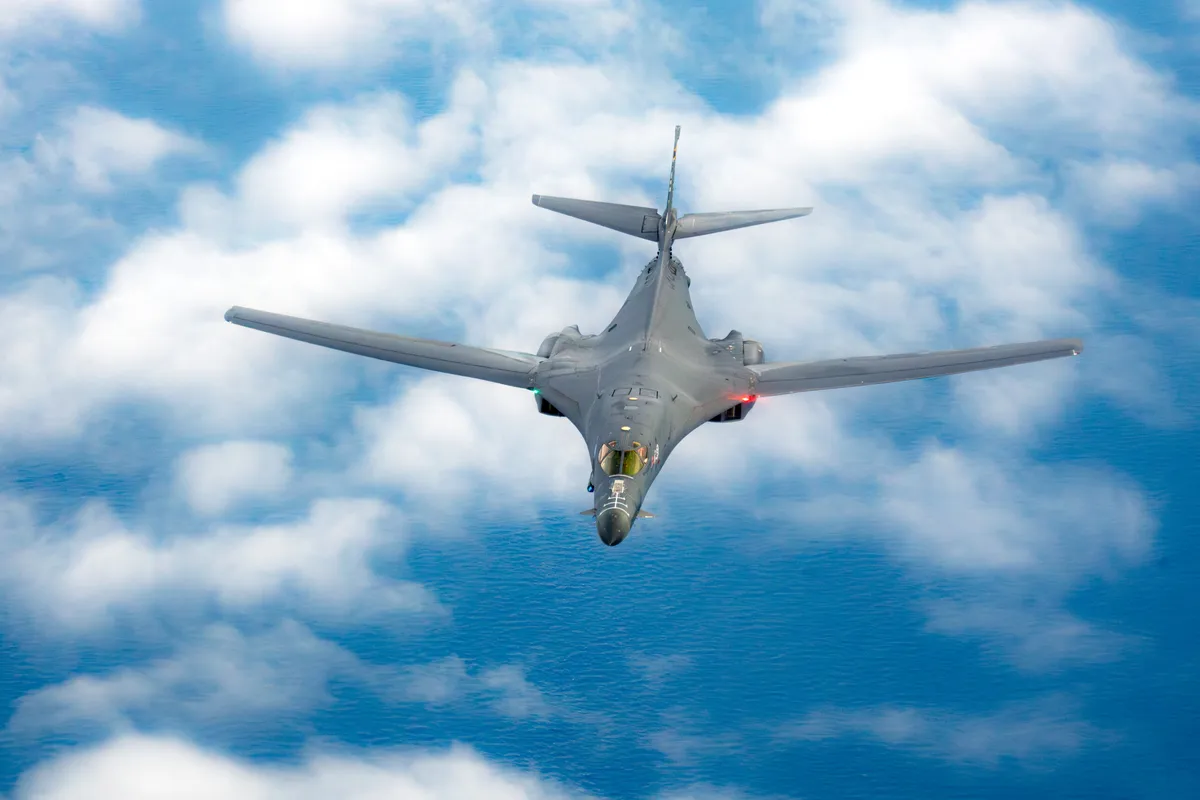
Sustained bomber operations require continuous munitions replenishment and forward logistics.
This deployment locks in procurement demand for JASSM-ER and ALCM inventory across FY26-27, while also creating a logistics vulnerability: if Iran's Hormuz Strait attacks (already underway per March 8 signals) expand to target supply convoys or European ports, the sortie rate will degrade unless the Pentagon pre-positions munitions at European bases—a decision that signals confidence in air superiority over the Mediterranean and Eastern Europe.
This deployment signals operational continuity and sustained sortie tempo rather than a one-off strike package.
The specific mention of B-1s (which require mid-air refueling for Iran-range missions) and B-52s (standoff cruise-missile platforms) indicates the Pentagon is preparing for extended operations—consistent with Trump's March 7 statement that negotiations are off the table and military objectives now center on destroying Iranian military capacity.
For defense contractors, this sustains demand for munitions (AGM-158 JASSM, ALCM), aerial refueling support, and base infrastructure. The risk: if Iran successfully targets European staging areas or interdicts refueling routes, sortie rates will collapse, forcing a strategic reassessment.
The article does not specify which European bases are hosting the bombers, the expected duration of the deployment, or the planned daily/weekly sortie rate. These details are critical to assess whether this represents a 2-week surge or a 6-month posture shift.
Fault Lines
Strategic intelligence, synthesized daily — with a public track record. Every call graded against what actually happened.